

How ancient practices, modern healing modalities, and emerging science invite us to quiet the nervous system—and reconsider what it means to be human
We Have Become Very Good at Thinking
We live in a culture that asks us to think our way through almost everything. We analyze. We plan. We search. We scroll. We problem-solve. Even rest can become another task to accomplish. Somewhere within all of that thinking, many of us have forgotten what it feels like simply to be.
Over the years, I have had the opportunity to experience many different pathways into stillness: lying within the vibration of a sound bath, breathing beyond the familiar rhythms of the body, sitting in meditation, exploring tapping, and allowing somatic work to bring awareness to places within me that the thinking mind could not always reach. Each experience has been different, yet I continue to discover the same invitation within them: to soften the noise, to move out of the need to understand everything intellectually, and to listen more deeply to the wisdom held within the body. There have been moments when a breath, a sound, a movement, or simply becoming still has opened something I could never have arrived at through thought alone. These experiences have taught me that the body is not simply something we inhabit. It is part of how we listen, how we remember, and perhaps even how we come to know ourselves more
My relationship with these practices has unfolded naturally over time, each one inviting me into a deeper experience of listening. Not listening with the mind, but listening from somewhere within the body, the heart, and the quiet spaces we so rarely allow ourselves to enter. I was not searching for another belief system or something outside of myself to follow. I was becoming curious about what we might discover when we soften the constant need to think, analyze, and understand. What happens when we become still enough to hear what has perhaps been speaking within us all along? And what becomes possible when the thinking mind grows quiet enough for another kind of knowing to emerge?
These practices can become doorways into presence, into consciousness, into our relationship with the unseen, and into our own evolving understanding of faith and spirituality. What I have come to appreciate is that we do not all need to name these experiences in the same way. For one person, a moment of profound stillness may simply feel like the nervous system finally exhaling. For another, it may awaken a feeling of connection to something greater than themselves. And for another, it may bring them closer to their own understanding of God, spirit, nature, consciousness, or the quiet wisdom within.
Perhaps the invitation is to become open enough to receive the experience without needing to define or understand it. When the mind softens, and we allow ourselves to move out of the constant need to analyze, something within us begins to quiet. We listen differently. We feel differently. We become more present to the subtle language of the body, the heart, and our own inner knowing. And sometimes, within that quiet, we are not discovering something new at all. We are remembering something we have always known, something that has been within us all along, waiting for enough stillness to be heard.
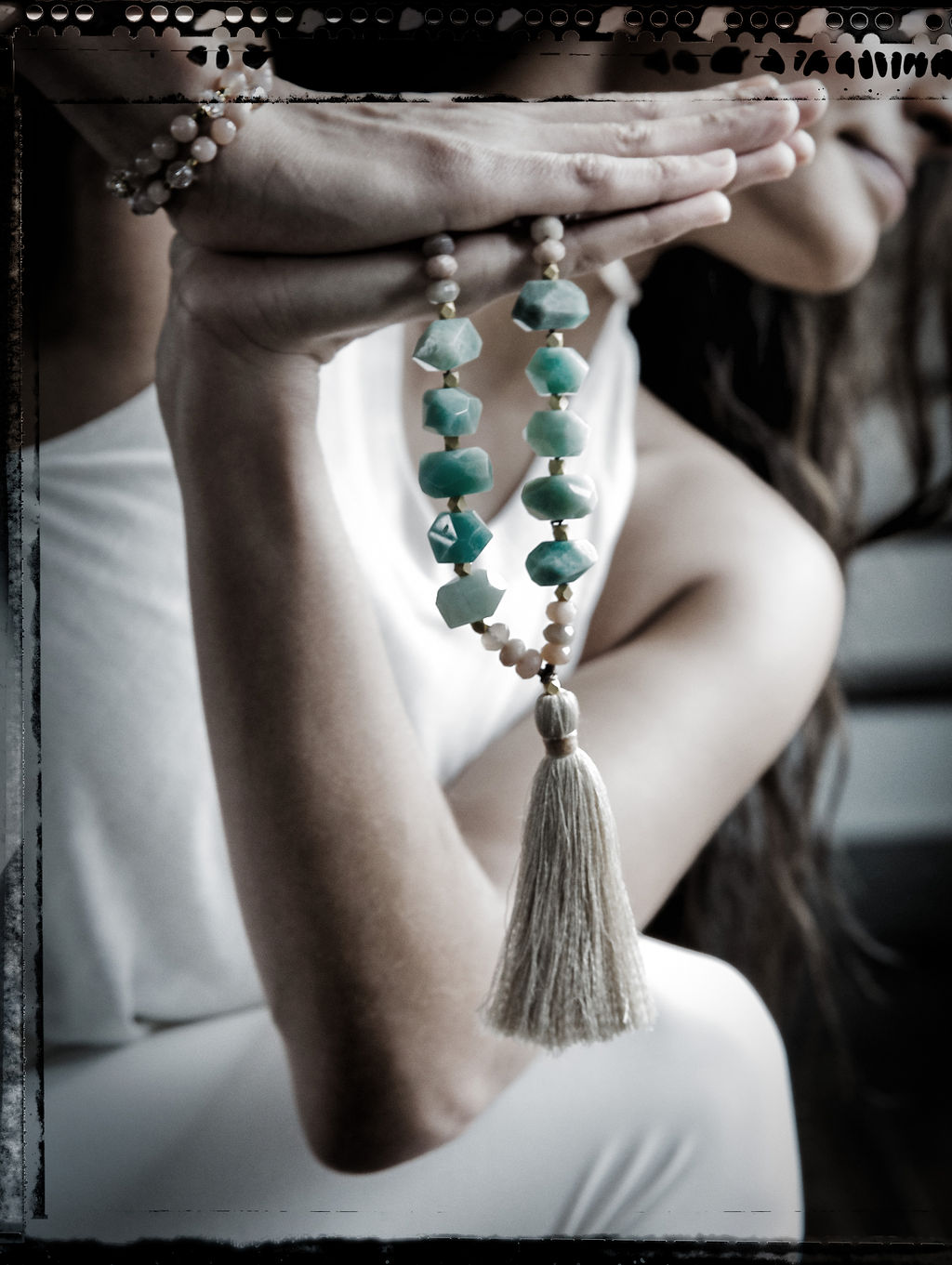
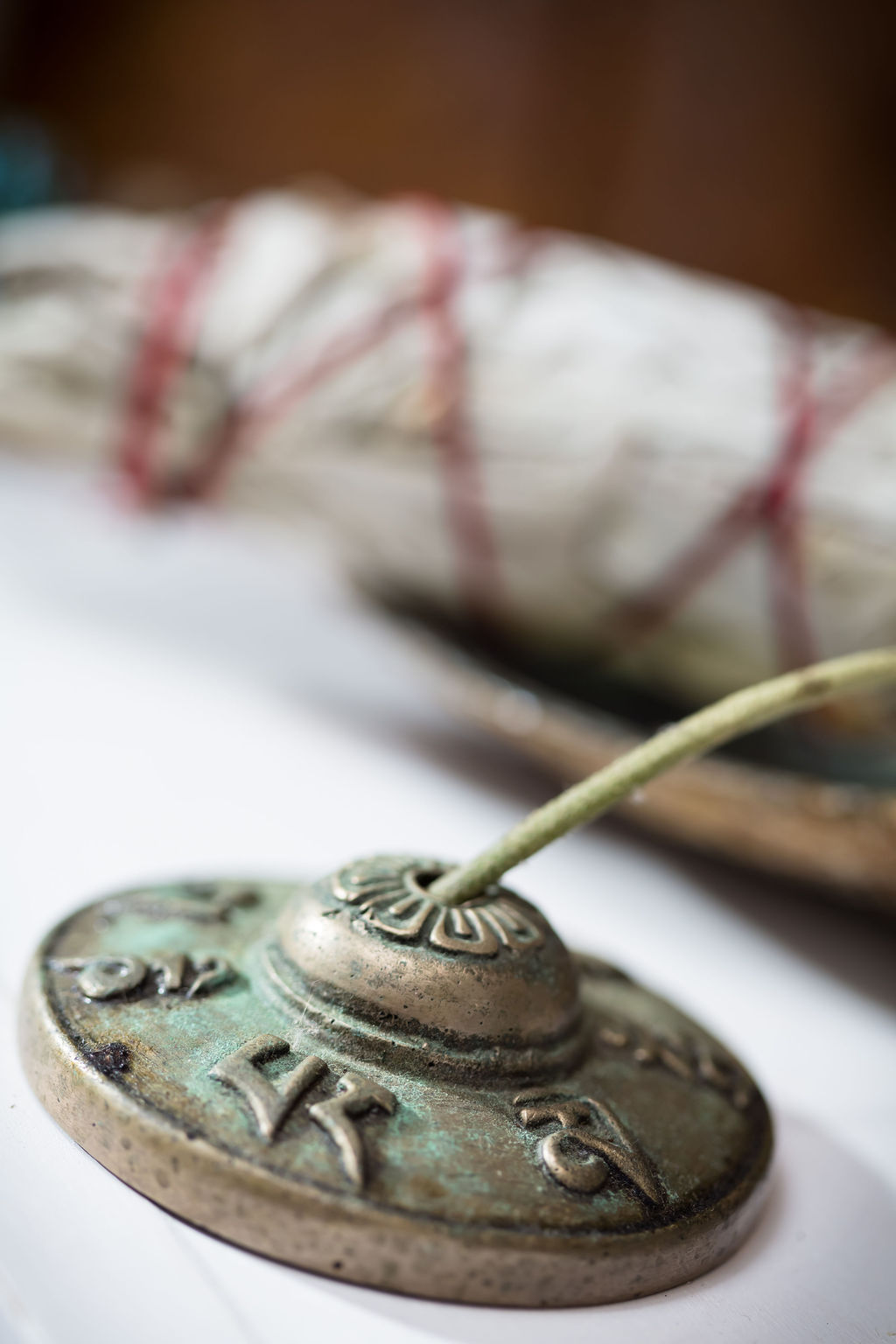
Breath — The Medicine We Carry with Us
Breath is perhaps the most immediate place to begin because it is always with us. Breathwork is an umbrella term for practices that deliberately change the pace, depth, or pattern of breathing. Some methods are gentle and regulating; others are more intensive and are best experienced with a trained facilitator.
Science is beginning to affirm what many ancient traditions have understood for centuries: the way we breathe can influence the way we feel. A 2023 review of randomized clinical studies found that intentional breathwork was associated with meaningful reductions in stress, with encouraging findings around anxiety and depression as well. Yet beyond the data is the experience itself.
The breath is something we carry with us every moment of our lives, often without giving it a thought. When we begin to breathe with intention, something shifts. We become more aware of the body, more present to what we are feeling, and perhaps more available to what lies beneath the constant movement of the mind. We may discover that the breath is more than a biological function. It can become an invitation into presence, a way of listening to the body, and a bridge back to us.
In a facilitated breathwork experience, attention can begin to move away from the constant narration of the mind and toward the language of sensation: the rise and fall of the chest, tingling in the hands, warmth moving through the body, emotion, resistance, and sometimes release. Science helps us understand how conscious breathing can influence our physiological state and support the body's ability to move toward greater calm. But within the experience, it can feel much more intimate than that. As the breath deepens and the mind begins to soften, we may become aware of emotions, sensations, or memories that we had not realized we were carrying. There is nothing we need to force or even fully understand. We simply become curious about what the body is revealing in that moment. And perhaps that is part of the beauty of breathwork: something as ordinary and essential as our own breath can remind us how to slow down, feel what is present, and create enough space within ourselves to truly listen.
Sound — When We Feel Rather Than Listen
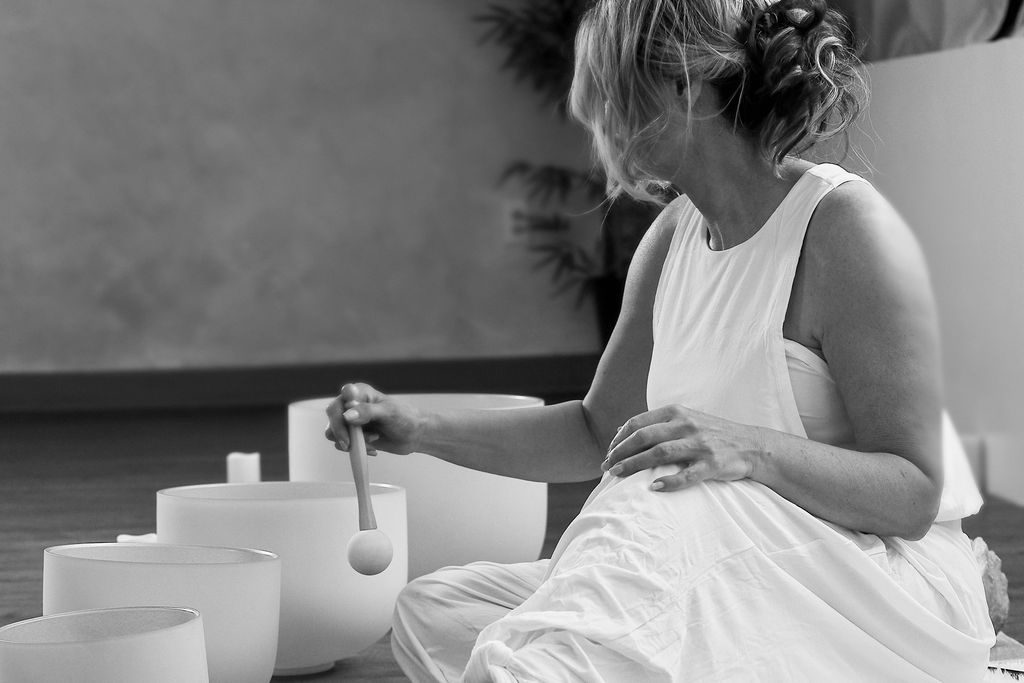
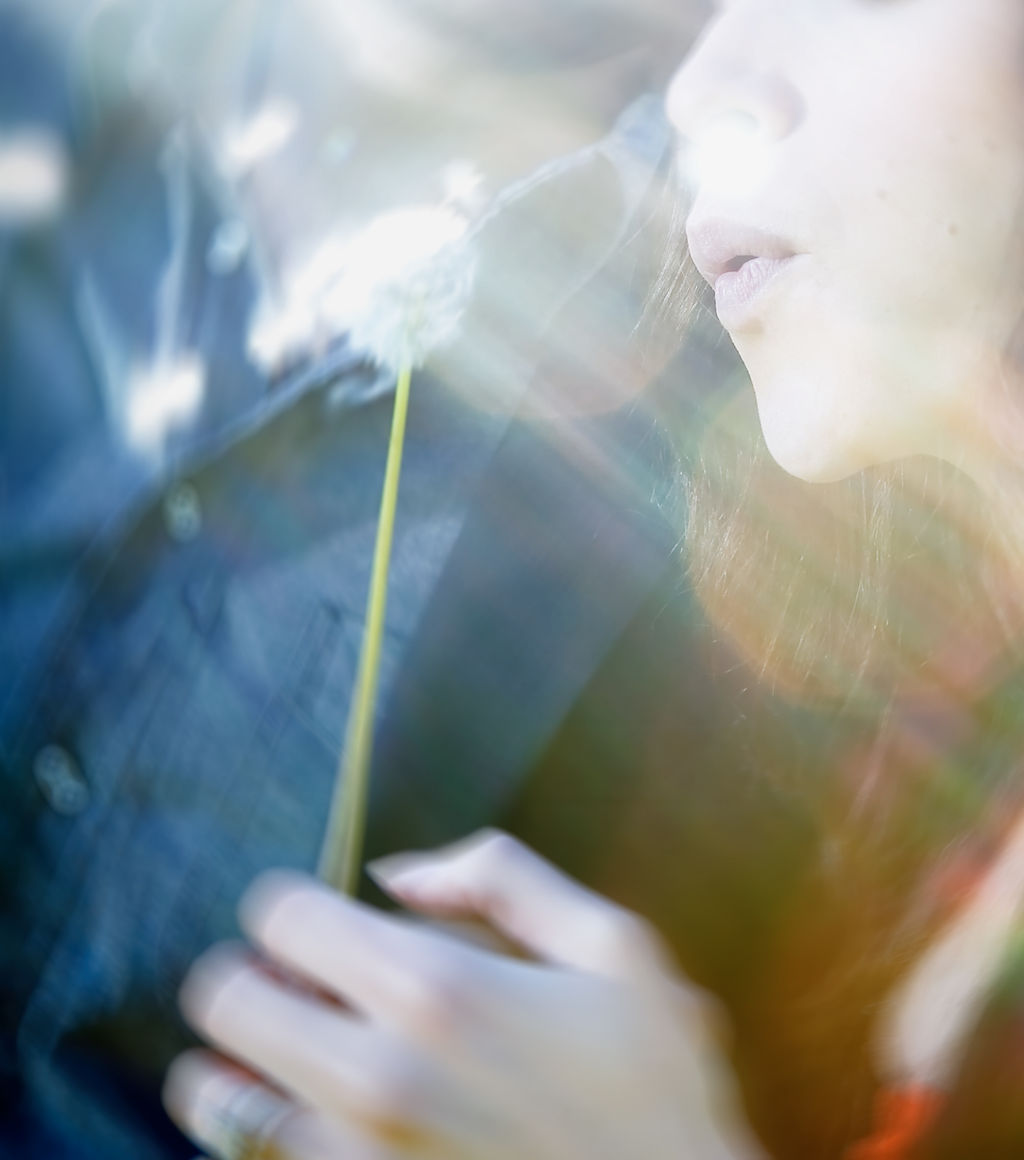
There is a moment during a sound bath when listening can become feeling. A singing bowl, gong, chime, or voice creates vibration that is experienced not only through the ears but through the body. The participant is asked to do very little: lie down, receive and notice.
Research on music and sound-based approaches suggests potential benefits for stress and anxiety, although the evidence for specific practices such as singing-bowl sound baths is still developing. That distinction matters. We do not need to make extravagant claims about frequencies to recognize the profound human experience of becoming immersed in sound. The deeper question may be whether sound can become a form of meditation. When there is nothing to accomplish, and our attention is drawn into vibration, the usual sense of time can begin to soften. The experience shifts from simply hearing sound to feeling ourselves fully present within it.
Sound practices can take many forms, from immersive gong baths and Tibetan or crystal singing bowls to chimes, tuning forks, drumming, chanting, mantra, and the resonance of the human voice. Some experiences are received lying quietly in stillness, while others invite us to participate through humming, toning, chanting, or our own breath and voice. The instruments and traditions may differ, but each asks us to experience sound not simply as something we hear, but as vibration we can feel.
For me, this is where sound becomes something more. Our bodies are largely made of water, and sound is vibration. I have often experienced sound not as something that stops at the ears, but as something I can feel moving through the body itself. A gong, a singing bowl, or the resonance of the human voice can be felt in the chest, the belly, the bones, and sometimes in places that are much harder to name.
Science can describe how sound waves travel through different tissues and how music and sound can influence our physiological and emotional states. But my own experiences have also invited me to wonder about something beyond what we can currently measure. What happens when vibration moves through the waters of the body while the thinking mind becomes quiet enough to surrender to it?
There have been moments within sound when I have felt myself move beyond simply being relaxed and into a different quality of awareness, a feeling of expansion, connection, and profound presence. I think of sound as a conduit, a vibrational doorway that can create the conditions for what I would describe as an enlightened experience. Another person may give that experience an entirely different name, and that is part of what makes this exploration so interesting. We do not have to define the mystery in the same way to allow ourselves to experience it.
Body—The Body Remembers Differently Than the Mind
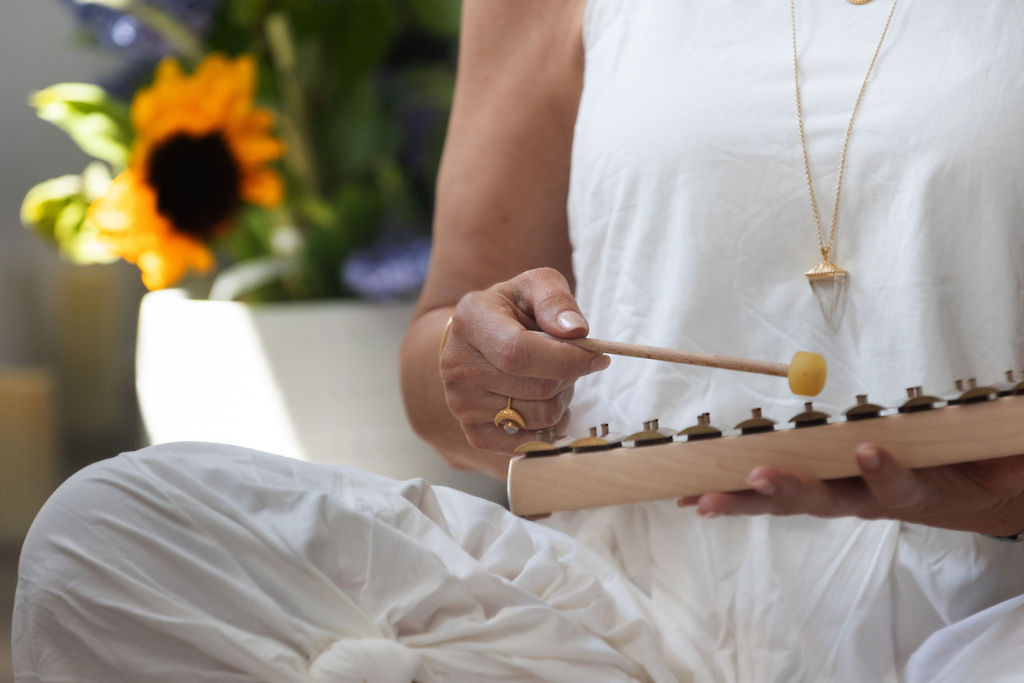
Somatic practice changes the direction of inquiry. Instead of beginning with “Why am I feeling this?” we might ask, “Where am I feeling this?” The word somatic comes from the Greek soma—the living body as experienced from within. Somatic approaches vary widely, but many invite awareness of breath, posture, sensation, movement, tension, and the body's impulses.
This connects with the growing study of interoception: our ability to perceive internal bodily signals. The premise is deceptively simple. Before explaining an experience, can we notice it? Tightness in the throat. A held breath. A clenched jaw. Warmth across the chest. The urge to move away—or toward. For me, this shift from asking “Why am I feeling this?” to “Where am I feeling this?” has changed the way I understand the relationship between the mind and the body. The mind wants an explanation. It wants to create the story, find the reason, and make sense of what we are feeling. But the body does not always communicate through words. It speaks through sensation.
When we stop for a moment and ask where an emotion is living in the body, something changes. Anxiety may reveal itself as a tightening across the chest. Fear may be felt in the belly. Grief may arrive as a heaviness in the heart or a constriction in the throat. We are no longer only thinking about what we feel; we are beginning to experience where and how we are holding it.
Somatic practice can take many forms. It might be as simple as placing a hand on the heart and noticing the rhythm of the breath, gently shaking or moving the body to release held tension, allowing the body to stretch or move intuitively, or pausing to notice where an emotion is being felt physically. More structured experiences may include guided somatic movement, therapeutic bodywork, breath and touch practices, trauma-informed somatic therapy, or practices that invite us to track sensation as it changes within the body. What these approaches share is an invitation to move away from analyzing the experience and toward actually feeling what is happening within us.
This is what I find so powerful about somatic work. It invites us out of the story and into the body itself. We do not always have to understand why something is there before we can begin to listen to it. Sometimes simply bringing our awareness to a sensation, breathing into it, allowing it to move, or noticing what it is asking of us can create a different relationship with what we are carrying.
Perhaps the body has been part of the conversation all along. We have simply become so accustomed to listening through the mind that we have forgotten how to hear its language.
Touch — Tapping into Calm
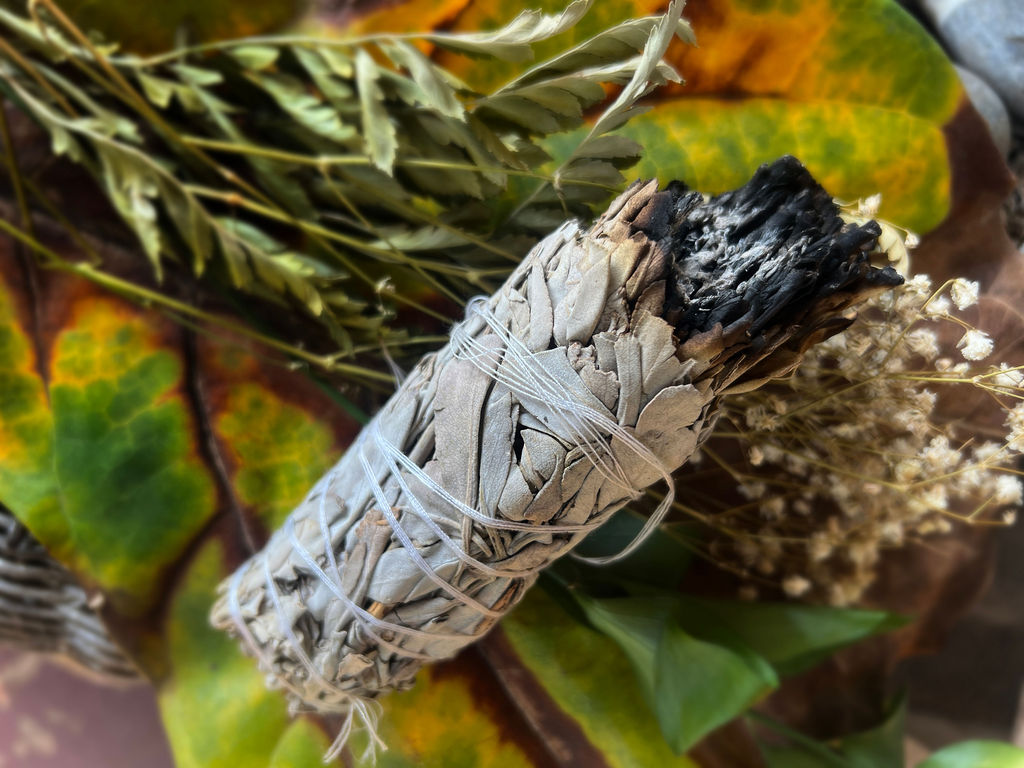
Emotional Freedom Techniques, commonly called EFT or tapping, combines focused attention on an emotion, memory, or concern with gently tapping a sequence of points on the face and upper body. It can look unusual the first time we encounter it, yet I find the simplicity of the practice part of what makes it so interesting. We are bringing together thought, language, breath, touch, and the body rather than trying to work through an experience with the mind alone.
One of the areas where tapping has received particular attention is trauma and PTSD. Research has produced encouraging findings, including studies with veterans and people living with post-traumatic stress symptoms. A 2023 systematic review and meta-analysis found significant improvements in PTSD symptoms compared with wait-list, usual-care, or no-treatment groups, while results against active treatments were more mixed. At the same time, major clinical guidelines continue to consider the evidence insufficient to recommend EFT as a stand-alone PTSD treatment. That distinction is important. Tapping may be a useful complementary tool, particularly when practiced with an appropriately trained professional, but it should not be presented as a replacement for established trauma care.
What interests me is the relationship between the memory and the body. Trauma is not always experienced as something that happened only in the past. A memory, sound, place, or seemingly ordinary moment can sometimes activate a very real response in the present: the heart races, the breath changes, the body tightens, and suddenly we may feel as though we are back inside an experience that the rational mind knows is over.
Tapping offers an intriguing possibility within that conversation. While acknowledging what we are feeling, we simultaneously bring rhythmic touch and attention to the body. Instead of asking ourselves to push the feeling away, we begin by noticing it. Where do I feel it? What happens when I stay present with it? Does the sensation change as I breathe, tap, and listen?
Perhaps that is where the deeper value of a practice like tapping can be found. It gives us something tangible to do in a moment when our internal experience may feel anything but tangible. The hands, the breath, the words, and our awareness all meet in the same moment. We are not denying what happened or asking the body to simply “get over it.” We are gently exploring whether our relationship to what we are carrying can begin to change.
For someone living with significant trauma or PTSD, that exploration deserves skilled professional support. But even beyond a clinical setting, tapping introduces a larger idea that runs through so many of these modalities: sometimes healing is not about thinking our way out of an experience. Sometimes it begins by creating enough safety and presence within the body to listen to what is asking to be acknowledged.
Stillness — Learning to Witness the Mind
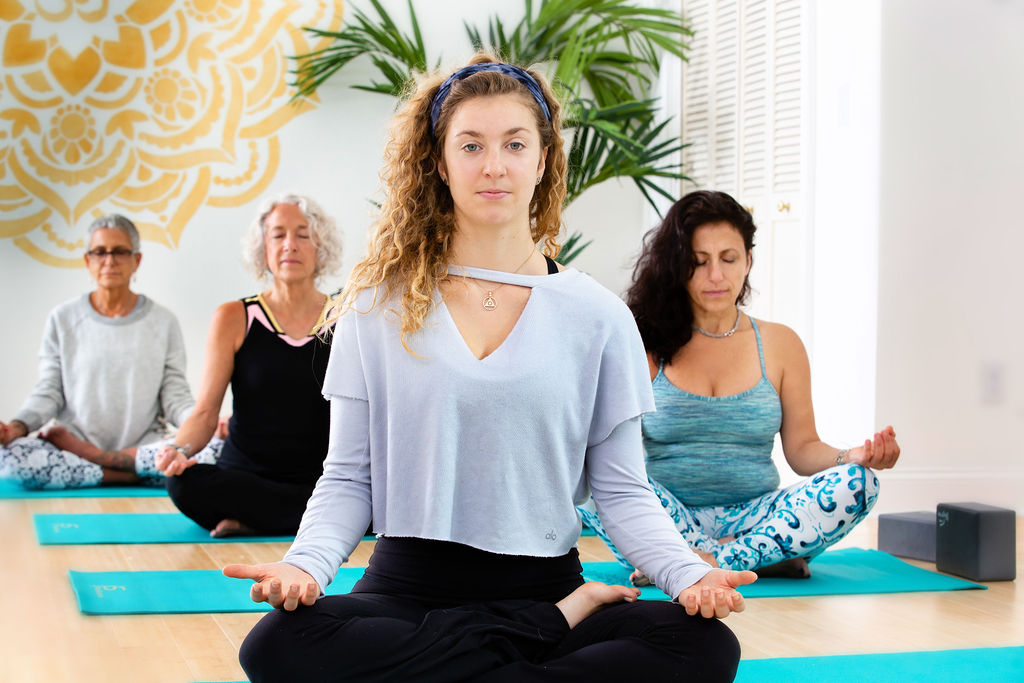
Meditation may be one of the most familiar words in the language of wellbeing, yet I believe it is also one of the most misunderstood. People often tell me, “I can't meditate. I can't stop thinking.” But meditation has never been about forcing the mind to become empty. The mind thinks. That is what it does. Meditation begins when we learn that we do not have to follow every thought that passes through it.
Through my own practice, and through years of guiding others into meditation, I have come to understand stillness very differently. We do not need to fight our thoughts to find it. We begin by becoming the witness. We notice the thought. We notice the breath. We notice the body. We notice the sounds around us. And little by little, we begin to experience the difference between having a thought and becoming completely absorbed by it.
Science continues to give us another language for understanding what can happen within these practices. Research into mindfulness and meditation has found benefits for stress, anxiety, depression, and sleep, although results vary across practices and individuals. I value this research because it helps us understand what may be happening within the brain and nervous system. But after years of experiencing meditation personally and facilitating it for others, I also know there is a dimension of the experience that can be difficult to capture through data alone.
I have watched people arrive carrying the fullness of their lives into a meditation: responsibilities, grief, anticipation, fear, excitement, the endless lists running through the mind. And then I have witnessed the subtle moment when something begins to soften. The breath changes. The face relaxes. The body settles. The need to do something gives way, even briefly, to the experience of simply being.
Sometimes that is all meditation needs to be.
But there are also moments when stillness becomes a doorway into something deeper.
In my own practice, meditation has taught me that beneath the constant movement of thought there is another place within us, a quieter place that does not need to analyze or immediately understand what is happening. The more I have learned to enter that space, the more I have come to trust the subtle language of intuition, the heart, and my own inner knowing.
And this is where meditation begins to move, for me, beyond wellness and into consciousness.
If I can witness my thoughts, then who—or what—is doing the witnessing?
I love this question because I do not believe we need to answer it for one another. For one person, the answer may simply be awareness. For another, consciousness. For another, the soul, spirit, God, or the divine presence within. The language matters less to me than our willingness to become quiet enough to experience the question for ourselves.
As a facilitator, I never want to tell someone what they are supposed to experience in meditation. I believe my role is to help create the conditions in which they can listen for themselves. Sometimes there are images. Sometimes emotion. Sometimes profound peace. Sometimes there are still plenty of thoughts. And sometimes there is simply a breath and a moment of quiet.
All of it belongs.
Perhaps this is one of meditation's greatest gifts. It does not ask us to become something else. It gives us the opportunity to become present enough to meet ourselves exactly where we are.
And within that presence, we may begin to remember that there is a difference between the voice constantly speaking inside the mind and the deeper awareness that is able to hear it.
Movement — When the Body Becomes the Meditation
Stillness does not always require sitting still.
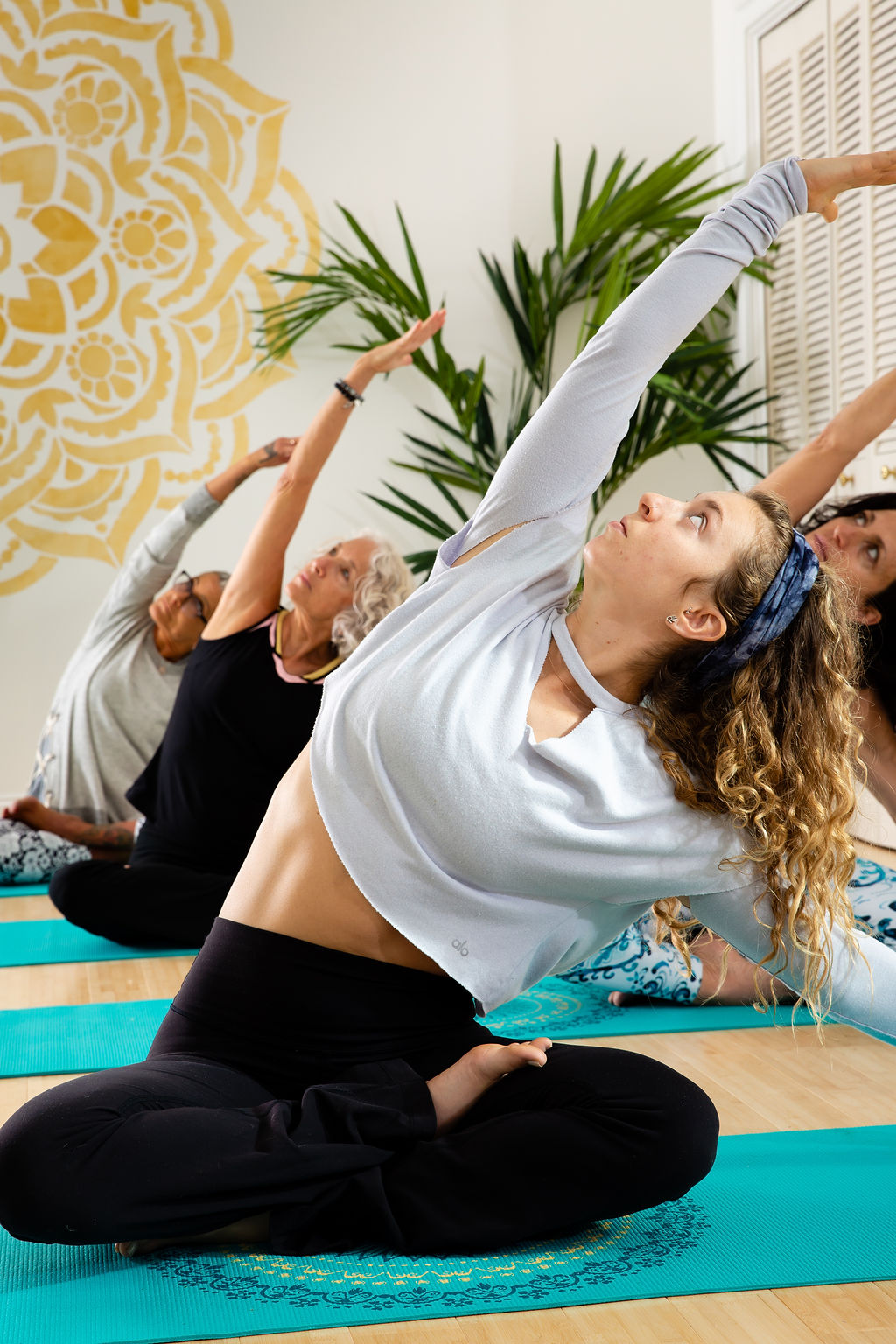
For some of us, it is through movement that the mind first begins to quiet. Yoga, tai chi, qigong, conscious movement, and other embodied practices bring together breath, attention, and the physical body, creating a form of meditation that does not require us to separate stillness from movement.
We live in a culture that often teaches us to move for a reason. We exercise to become stronger, faster, thinner, healthier, or more flexible. We measure repetitions, miles, calories, and progress. There is nothing inherently wrong with any of this, but conscious movement invites us into a very different relationship with the body.
Instead of asking, “What can my body accomplish?” we might begin to ask, “What is my body experiencing?”
The shift can be subtle, but it changes everything.
When movement is connected intentionally with breath, our attention begins to move away from how the body looks and toward how the body feels. We notice the sensation of our feet meeting the earth, the opening of the chest, the rhythm of the breath, the places where we are holding tension, and the places that are asking for softness. Movement becomes less about performing and more about inhabiting ourselves.
Science is beginning to give us language for some of what ancient movement traditions have understood for generations. Research suggests yoga may support stress management, emotional wellbeing, sleep, balance, and overall quality of life. Tai chi and qigong are also being studied for their potential effects on balance, mood, stress, and physical wellbeing, although the strength of the evidence varies depending on the practice and population.
But yoga, tai chi, and qigong did not begin as modern wellness trends.
They emerged from much older cultural, philosophical, and spiritual traditions that explored the relationship between breath, body, mind, energy, awareness, and our place within the larger rhythms of life. I believe honoring these origins matters. When we remove a practice entirely from the wisdom that gave birth to it, we risk experiencing only a small part of what it was created to offer.
In my own experience, movement can become another form of listening. There are moments when the repetition of a movement, the rhythm of breath, or simply bringing complete awareness into the body creates the same spaciousness I experience in seated meditation. Thought becomes quieter. The body becomes more present. And for a few moments, there is no separation between the person moving and the movement itself.
Perhaps this is another way we begin to understand embodiment.
We are not simply minds carrying bodies through the world. We experience life through these bodies. We love through them. We grieve through them. We celebrate, create, touch, breathe, dance, and connect through them.
And when we begin to move with awareness rather than simply moving through our lives unconsciously, the body itself can become a place of practice, a place of presence, a place of listening, and sometimes, a place where movement becomes prayer.

Nature — Remembering That We Belong
And then there is the modality that requires almost nothing except our attention: nature. Forest bathing, inspired by the Japanese practice shinrin-yoku, is not hiking for distance or exercising outdoors. It is an intentional slowing down and sensory immersion in the natural world.
A 2023 systematic review and meta-analysis involving 36 studies and 3,554 participants examined outcomes including anxiety, depression, mood, quality of life, blood pressure and heart rate. The research continues to evolve, but it echoes something humans have known intuitively for a very long time: our surroundings affect us. Perhaps the more interesting question is why being in nature can sometimes feel less like visiting somewhere and more like returning somewhere.
For me, nature has always been one of the places where the separation between the inner and outer world begins to soften. When I stand beside moving water, walk beneath a canopy of trees, feel the wind against my skin, or place my feet upon the earth, I am reminded that I am not simply observing the natural world. I am part of it.
There is something deeply humbling in that remembering.
The body knows water because it carries water. We know the rhythm of breath because we live within a world that is constantly breathing around us. We know cycles of rest, renewal, growth, release, death, and rebirth because these same rhythms exist within our own lives. Nature does not need to teach us these things through words. We experience them simply by becoming quiet enough to notice.
Perhaps this is why time in nature can feel so restorative. Science can measure changes in stress, mood, heart rate, and other markers of wellbeing, but there is another experience that is much harder to quantify: the feeling of belonging.

When we become still in the natural world, we begin to remember that we were never separate from it. We are nature. The same elements that move through the rivers, forests, oceans, and soil move through us. And perhaps part of what we experience when we return to nature is not an escape from our human lives, but a return to something deeply familiar within ourselves.
For me, nature is one of our oldest sanctuaries. Long before the places we built to seek the sacred, there were mountains, rivers, forests, deserts, oceans, and sky. There is a kind of prayer that happens simply by standing within that vastness and listening.
Nothing needs to be asked for. Nothing needs to be accomplished. We simply become present.
And in that presence, perhaps we remember one of the simplest truths of being human: we do not stand outside of the living world looking in.
We belong to it.
From Wellness to Wonder — Where Science Meets the Mystery
Breathing slows us. Sound immerses us. Somatic practice returns us to sensation. Meditation teaches us to witness thought. Movement brings awareness into form. Nature reminds us that we belong to something larger. Different doors, perhaps opening into a similar room.
For me, this is where the conversation becomes far more interesting than whether a particular practice “works.” Of course, let's remain curious about the science. I want to understand what is happening within the brain, the nervous system, the breath, and the body. Science gives us an extraordinary language for understanding ourselves.
But I also believe there is room for wonder.
There are moments within these experiences that cannot always be reduced to what happened physiologically. A moment when time seems to disappear. A feeling of profound connection. An unexpected emotion rising from somewhere within the body. A sense of knowing without knowing how we know. A feeling of being held by something larger than ourselves.
I have experienced enough of these moments in my own life to remain deeply curious about them.
Perhaps direct experience is becoming one of the ways we are redefining our relationship with spirituality. Not necessarily through doctrine or organized religion, and not by asking someone else to tell us what we should believe, but by becoming quiet enough to experience something for ourselves.
For one person, that experience may be called God. For another, consciousness. Spirit. Nature. Energy. Love. The universe. The divine. Or perhaps it needs no name at all.
I have become less interested in defining these experiences and more interested in what they awaken within us.
Do they make us more present?
More compassionate?
More connected to ourselves and to one another?
Do they remind us to listen differently?
Do they allow us, even briefly, to experience ourselves as something more than the thoughts continually moving through our minds?
Perhaps this is where wellness begins to become wonder.
We enter through the body. Through breath. Through vibration. Through movement. Through silence. Through nature. And somewhere within those experiences, we may find ourselves standing at the edge of a much older human inquiry:
Who am I beneath all the noise?
And perhaps even:
What am I connected to?
I don't believe these questions require us to arrive at the same answers. In fact, I think their beauty lies in allowing each of us to discover our own relationship with them.
Science can help us understand the mechanisms of an experience. Spirituality can invite us to explore its meaning. And perhaps consciousness asks us to remain open enough to hold both.
For me, that is where the mystery begins.

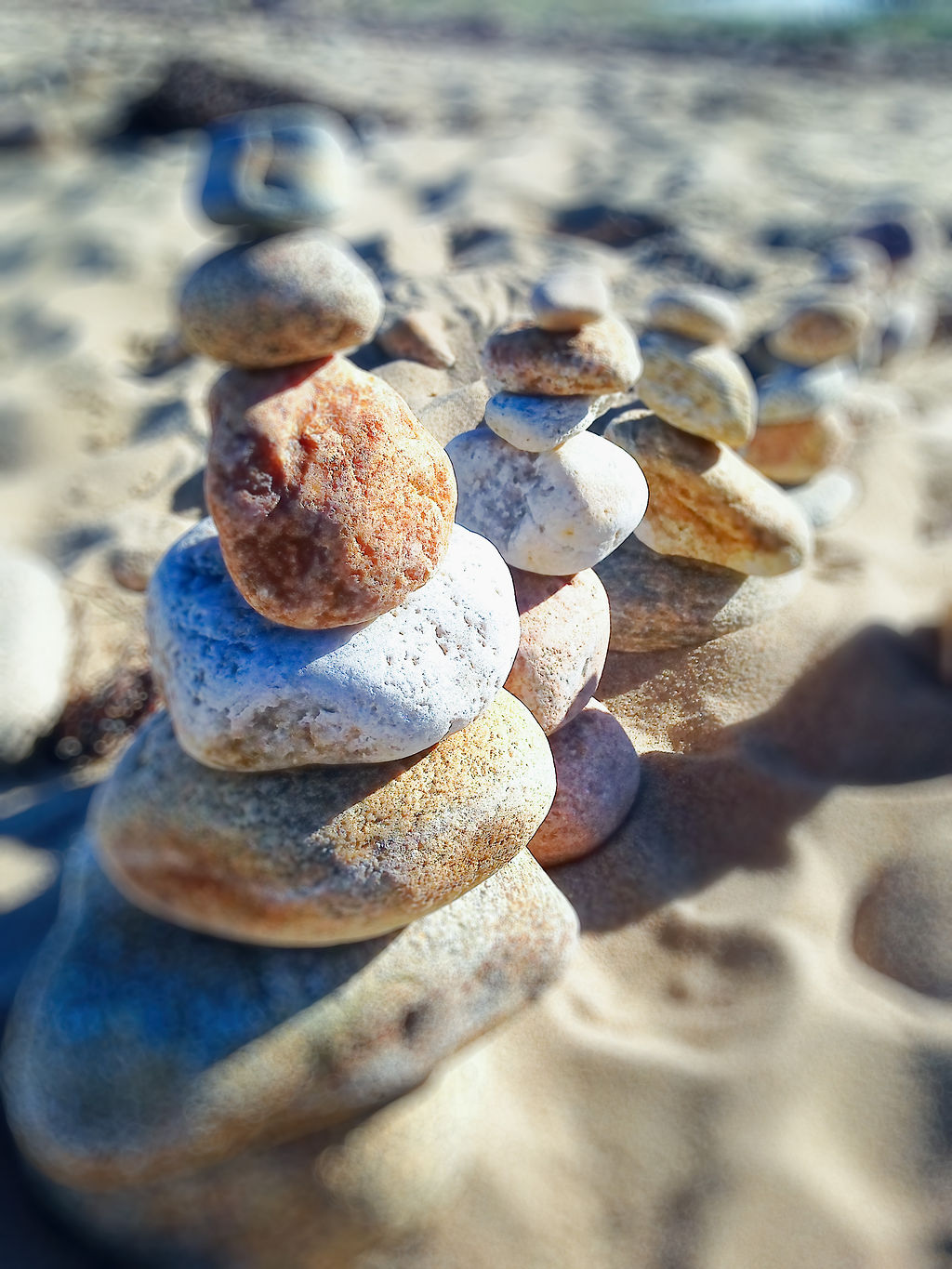
The Question Science Cannot Yet Fully Answer
Science can measure heart rate, breathing, blood pressure, brain activity, sleep, and self-reported anxiety. It can compare groups, test interventions, and help us understand what may be happening within the brain, body, and nervous system. Those measurements are essential, particularly when health claims are being made.
But there is another part of human experience that is much more difficult to measure.
What did the experience mean to the person having it?
How do we quantify the moment someone feels profoundly connected to themselves after years of feeling disconnected? How do we measure the experience of awe, intuition, belonging, love, or the feeling that something within us has shifted? We may be able to observe what is happening physiologically in those moments, but the meaning we give to them belongs to another kind of inquiry.
I don't believe this diminishes science. I believe it reminds us to remain humble about how much we still have to understand.
There was a time when many things we now accept scientifically were beyond our ability to observe or measure. Our understanding continues to evolve because human beings continue to ask questions, create new tools, and look more deeply into what once seemed invisible.
Perhaps we can bring that same curiosity to consciousness.
We do not have to turn every unexplained experience into a spiritual truth. Nor do we have to dismiss an experience simply because we cannot yet fully explain it. There is a beautiful space between certainty and disbelief where curiosity can live.
And perhaps that space matters now more than ever.
We live in a world overflowing with information, yet information alone does not always leave us feeling connected. We know more, have access to more, and can reach one another faster than at any other time in human history. Yet so many of us are still searching for ways to feel more present within our own lives.
Present in our bodies. Present with one another. Present within the natural world. Present to whatever we individually understand as sacred.
Perhaps the next frontier of wellbeing is not simply learning more about ourselves, but learning how to experience ourselves more fully.
And maybe some of the most important questions about what it means to be human are not waiting for us to immediately answer them.
Perhaps they are asking us to become quiet enough to live inside the question.
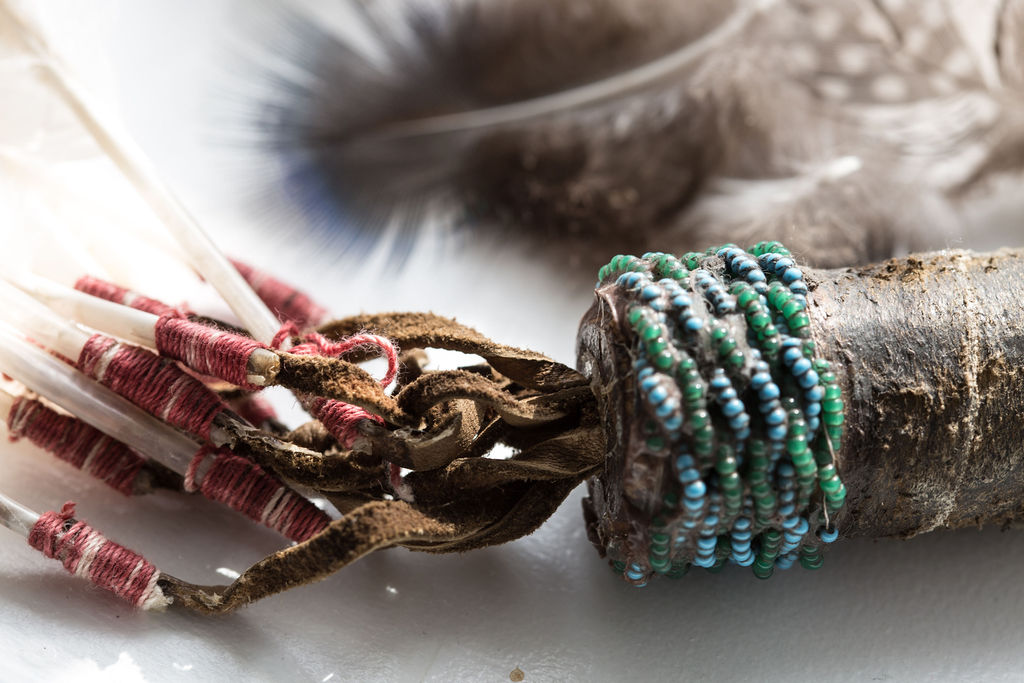
Perhaps Healing Is Also Remembering
Perhaps the invitation isn't to choose between science and spirituality, ancient wisdom and modern understanding, the body and the mind. Perhaps it is to become curious about the places where they meet.
Beneath the sound bowls, breathing techniques, meditation cushions, and the contemporary language of nervous-system regulation is something remarkably simple. We are learning how to become still again. To listen. To feel. To inhabit our bodies. To notice the world around us.
And perhaps, within that stillness, to remember that being human has always been about more than what we can explain.
There are experiences that ask not to be understood immediately, but to be felt. And sometimes, when the mind finally becomes quiet enough, something else begins to speak.
Our body. Our heart. Our intuition.
That quiet place within us that we may have forgotten how to hear. And perhaps this is where the practice of living consciously truly begins. Not only in the meditation room, on the yoga mat, within a sound bath, or during a healing experience, but in the way we return to our lives afterward.
Do we listen more deeply?
Do we notice how we feel?
Do we become more present with the people we love?
Do we allow ourselves moments of stillness without immediately filling them?
Do we begin to recognize beauty not simply in what surrounds us, but in our ability to experience it?
For me, living consciously is not about withdrawing from the world. It is about becoming more fully present within it.
It is remembering that beneath everything we are doing, achieving, planning, and becoming, there is still a human being having this extraordinary experience of being alive.
Perhaps these practices simply help us become quiet enough to remember. And from that place, we begin again—not by escaping our humanity, but by inhabiting it more fully.
That, perhaps, is the art of living consciously.

>Written by: Kellie Walsh, Managing Editor Health & Wellness
Research Notes & Sources
Editorial note: These practices should be presented as complementary experiences, not substitutes for appropriate medical or mental-health care. Evidence varies substantially by modality.
Breathwork meta-analysis (Scientific Reports, 2023)
NCCIH: Stress and mind-body approaches
NCCIH: Mind and Body Approaches for Stress and Anxiety