
What happens when a bride decides her wedding day exists entirely on her own terms? Not for tradition, not for Instagram, but purely as an expression of self. This is the question that guided an intimate editorial elopement in Rome, a day that prioritized personality, bold fashion choices, and the kind of curated aesthetics that define modern luxury.
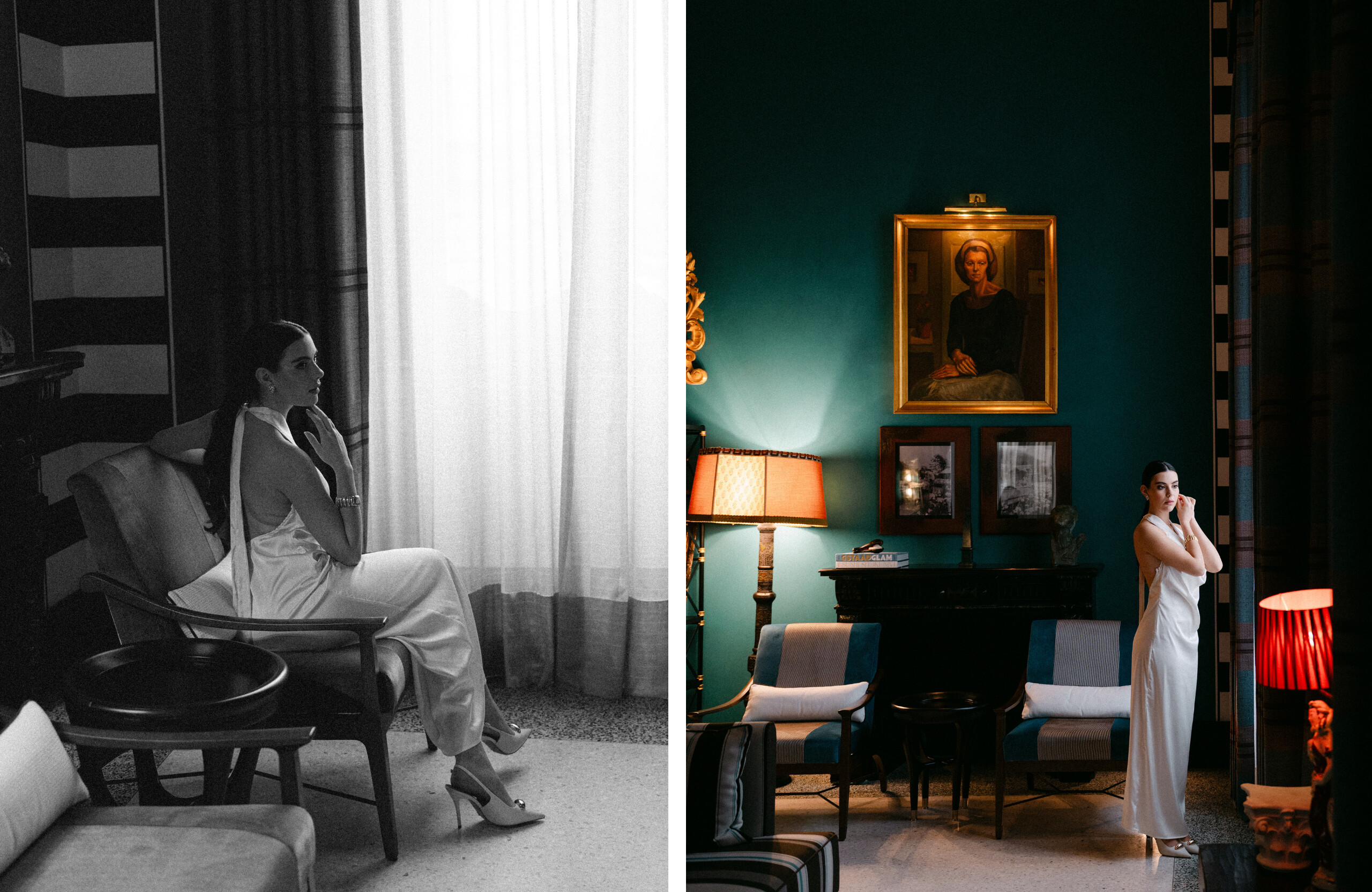
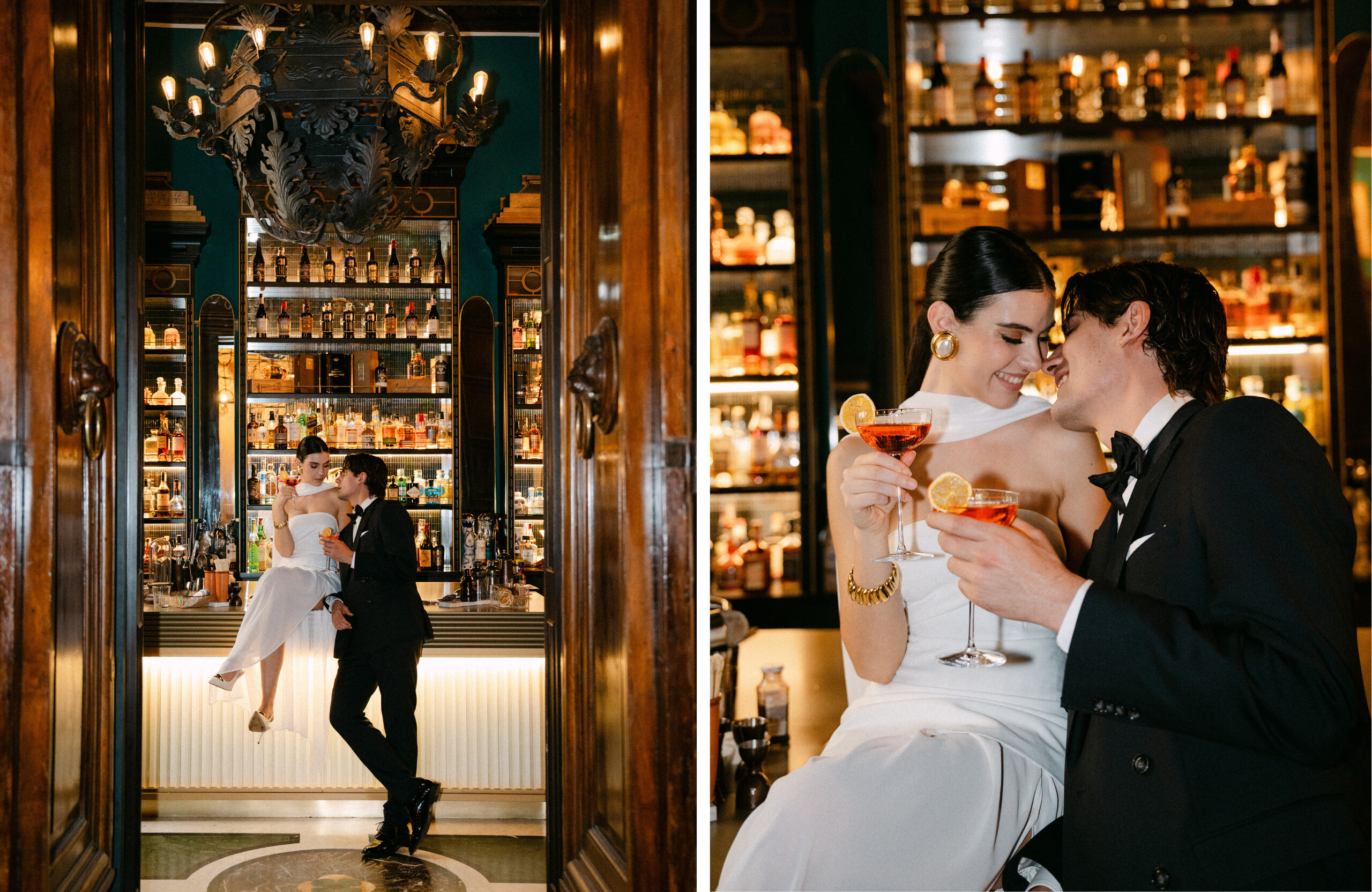
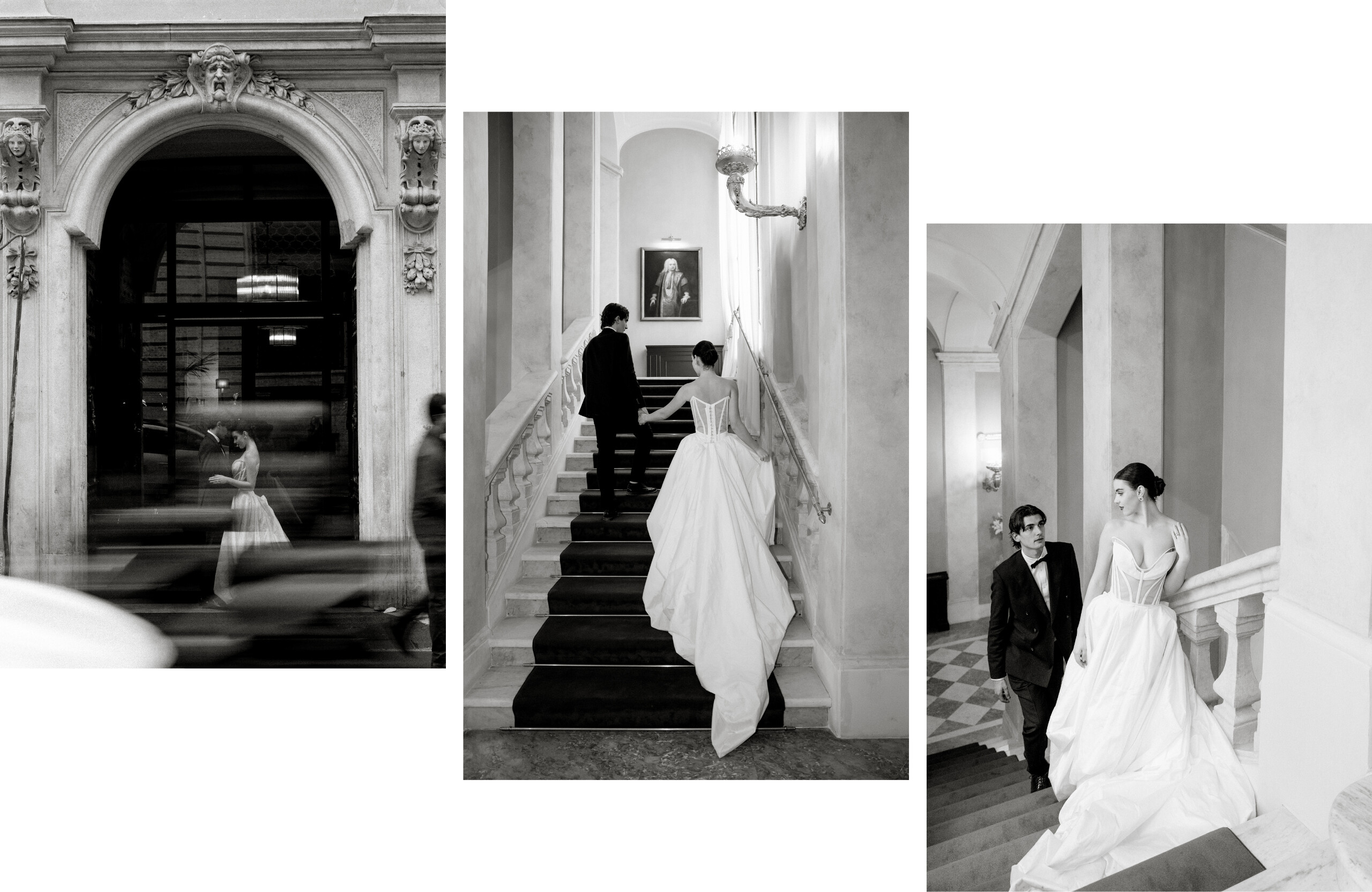
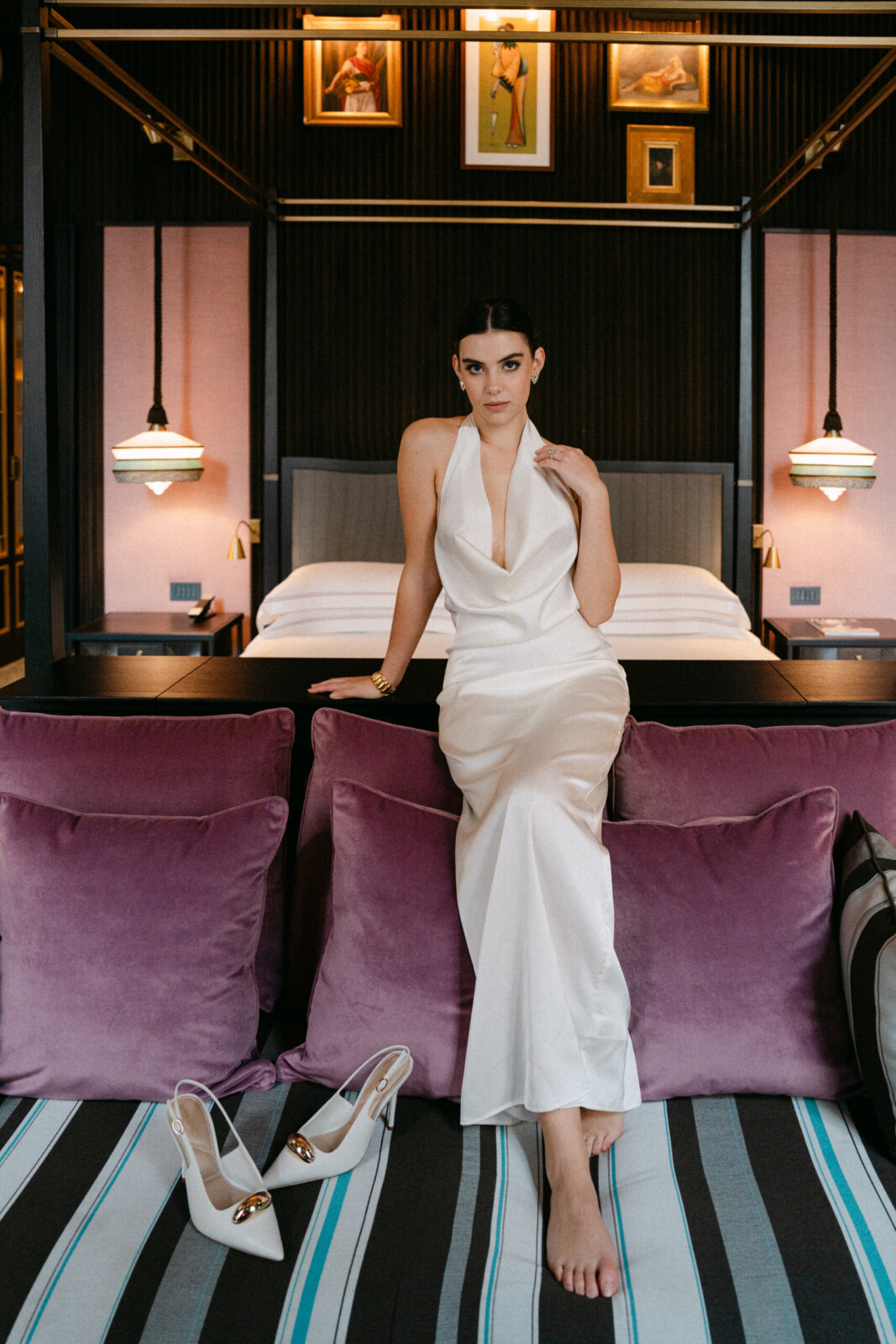
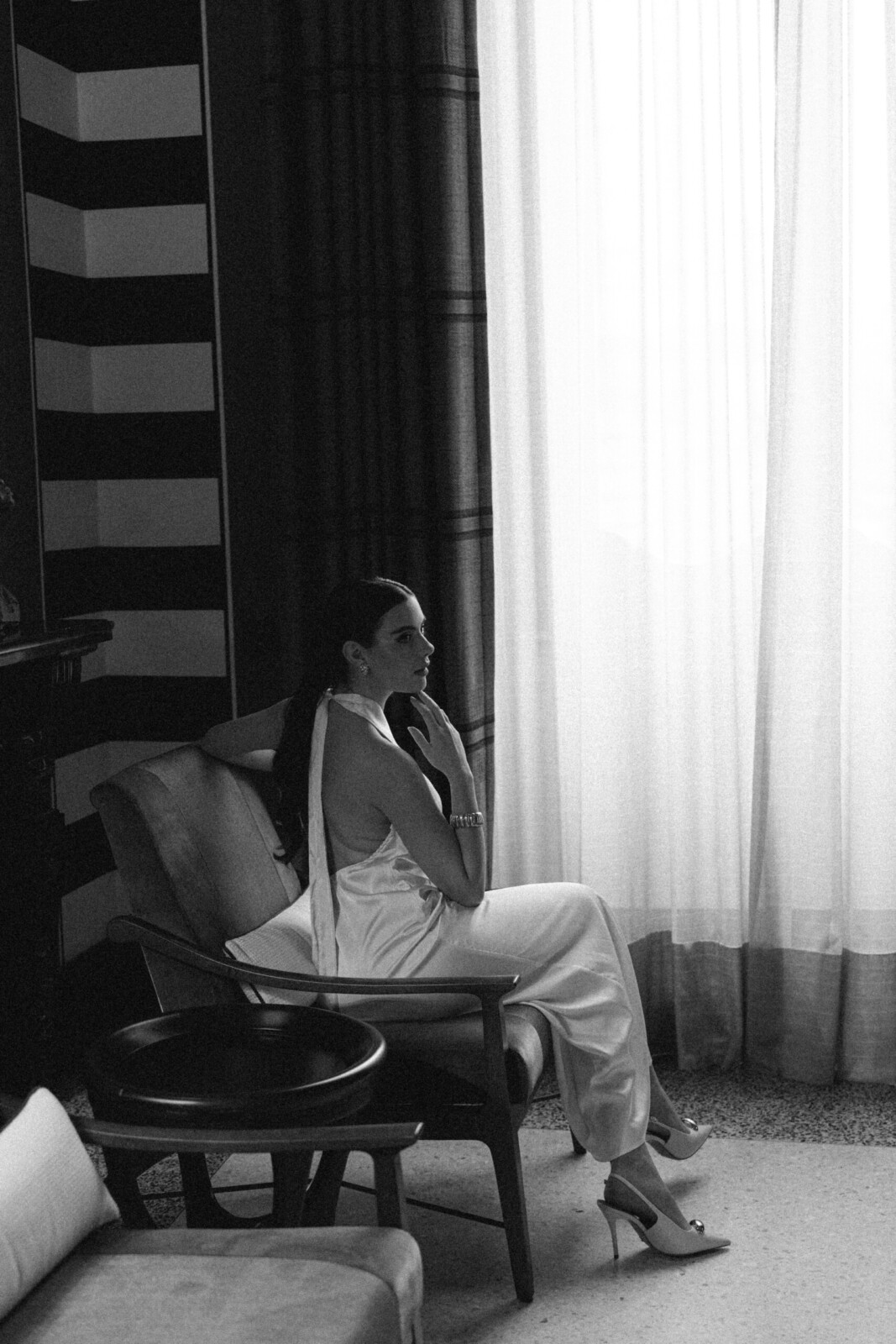
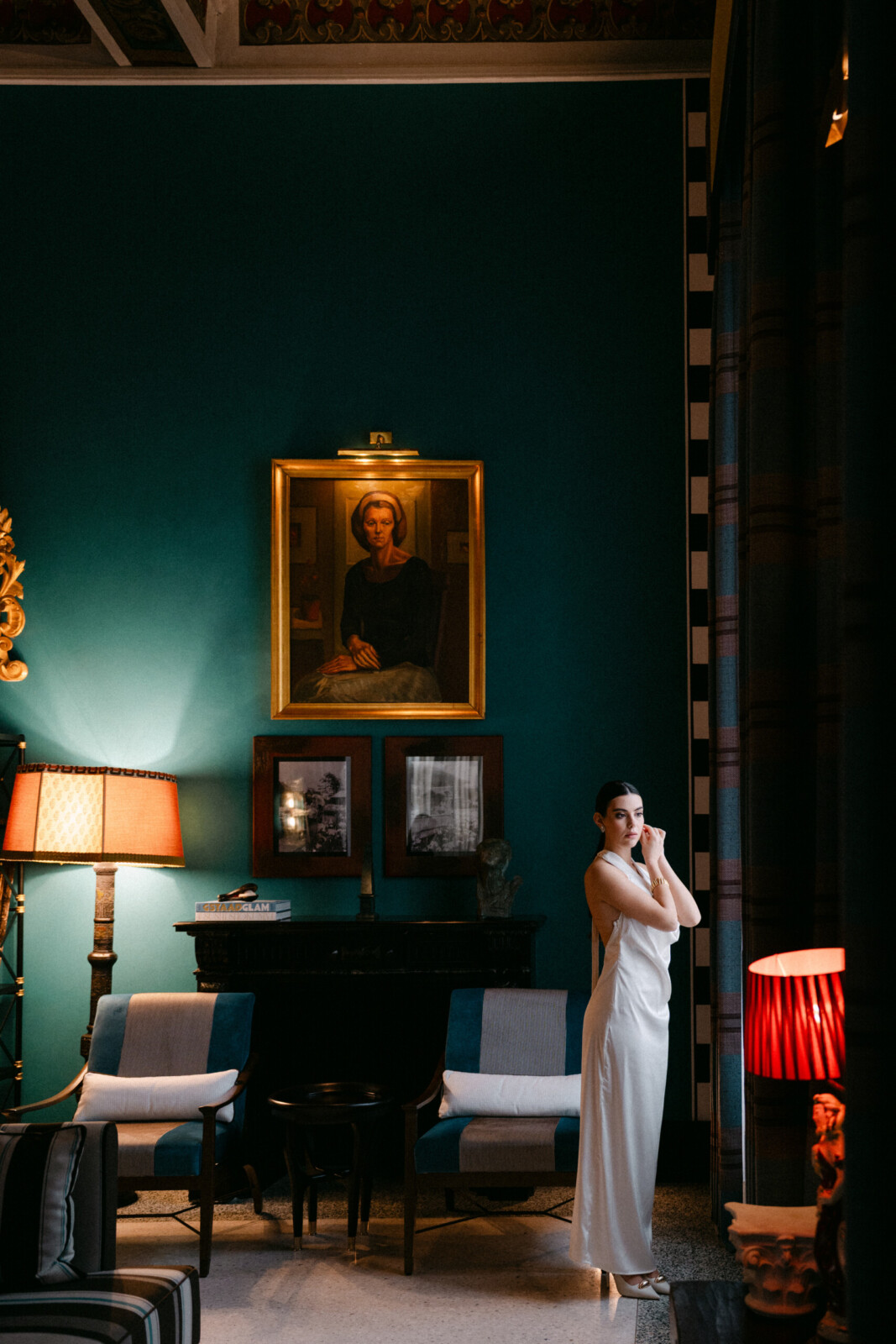
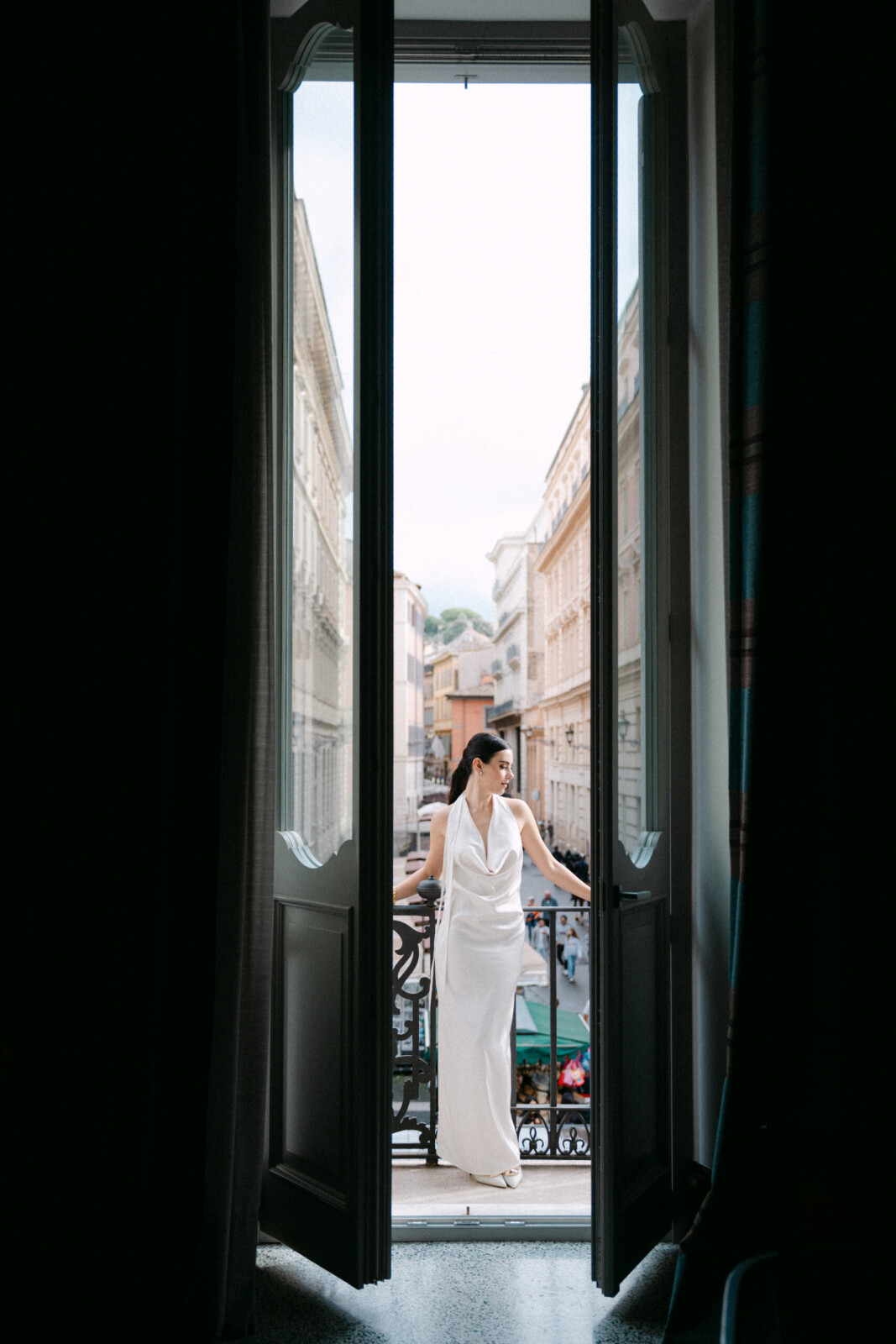
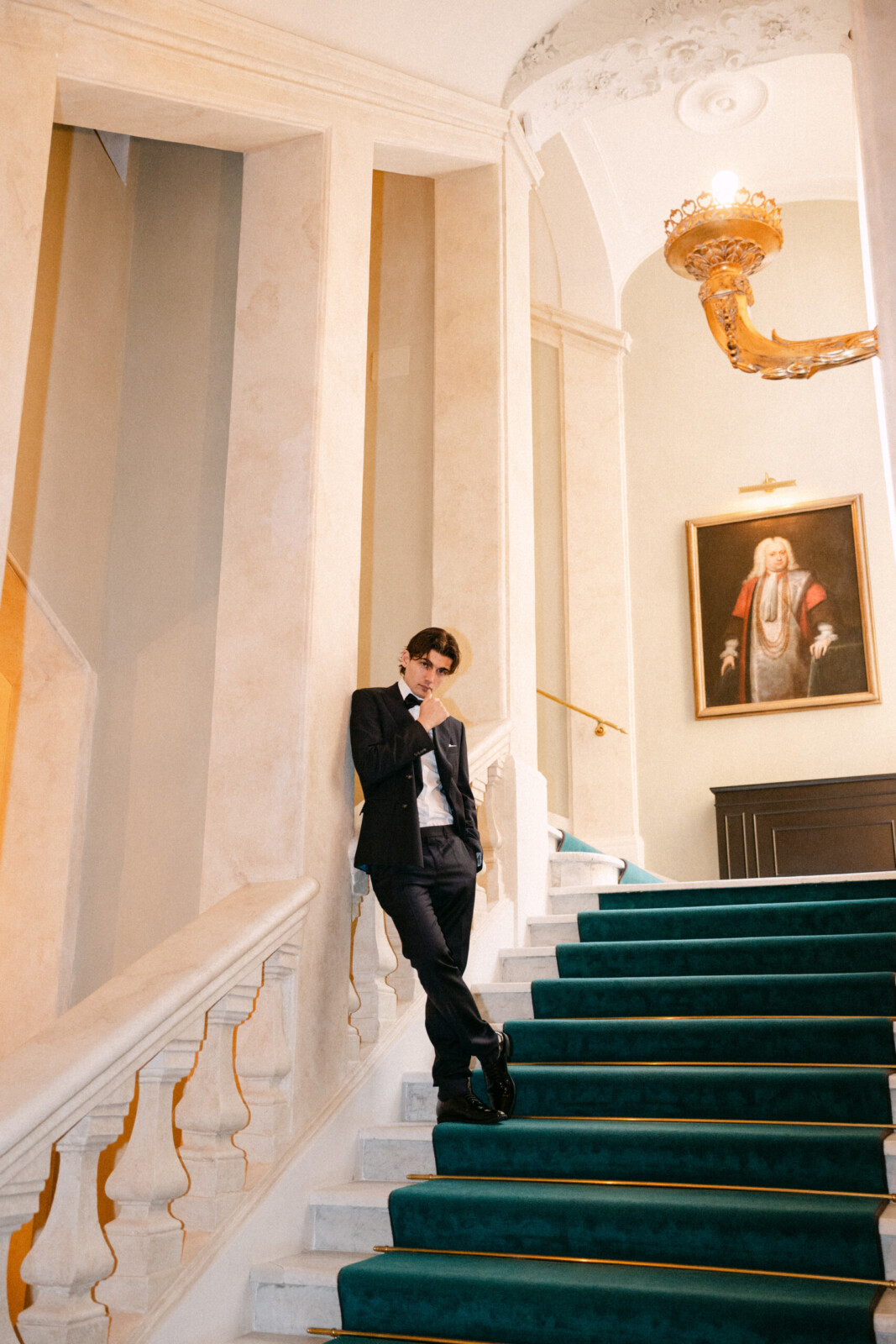
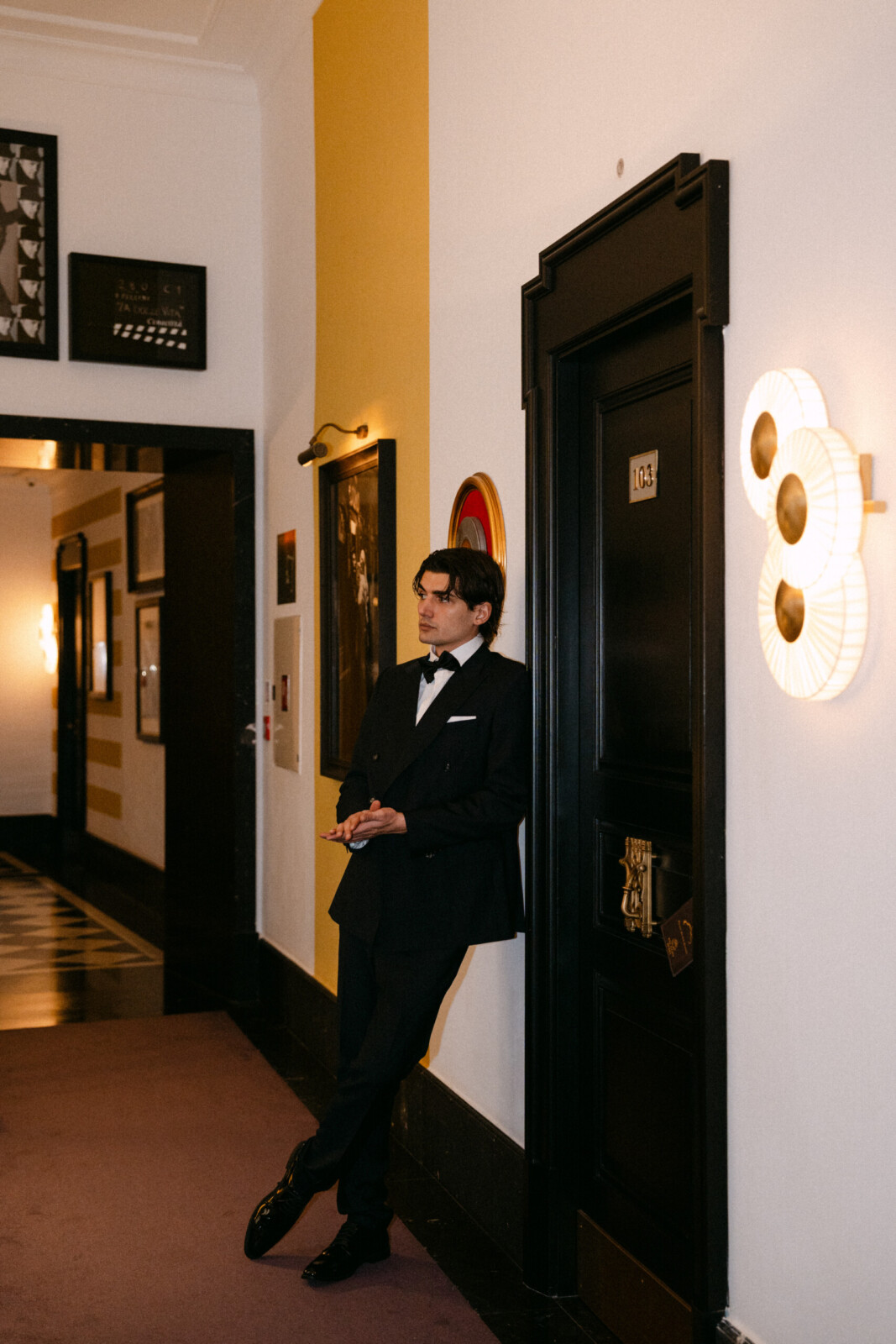
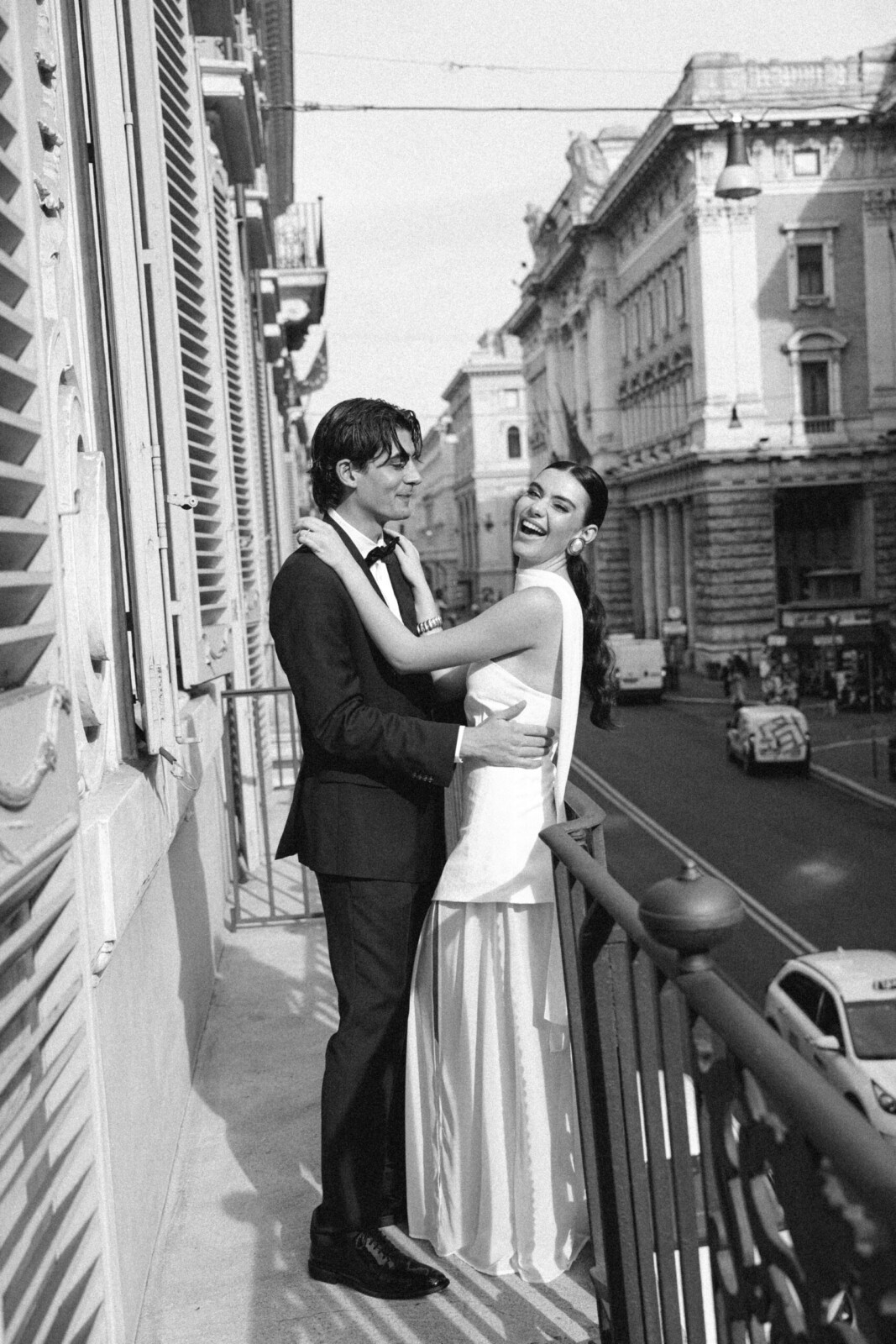
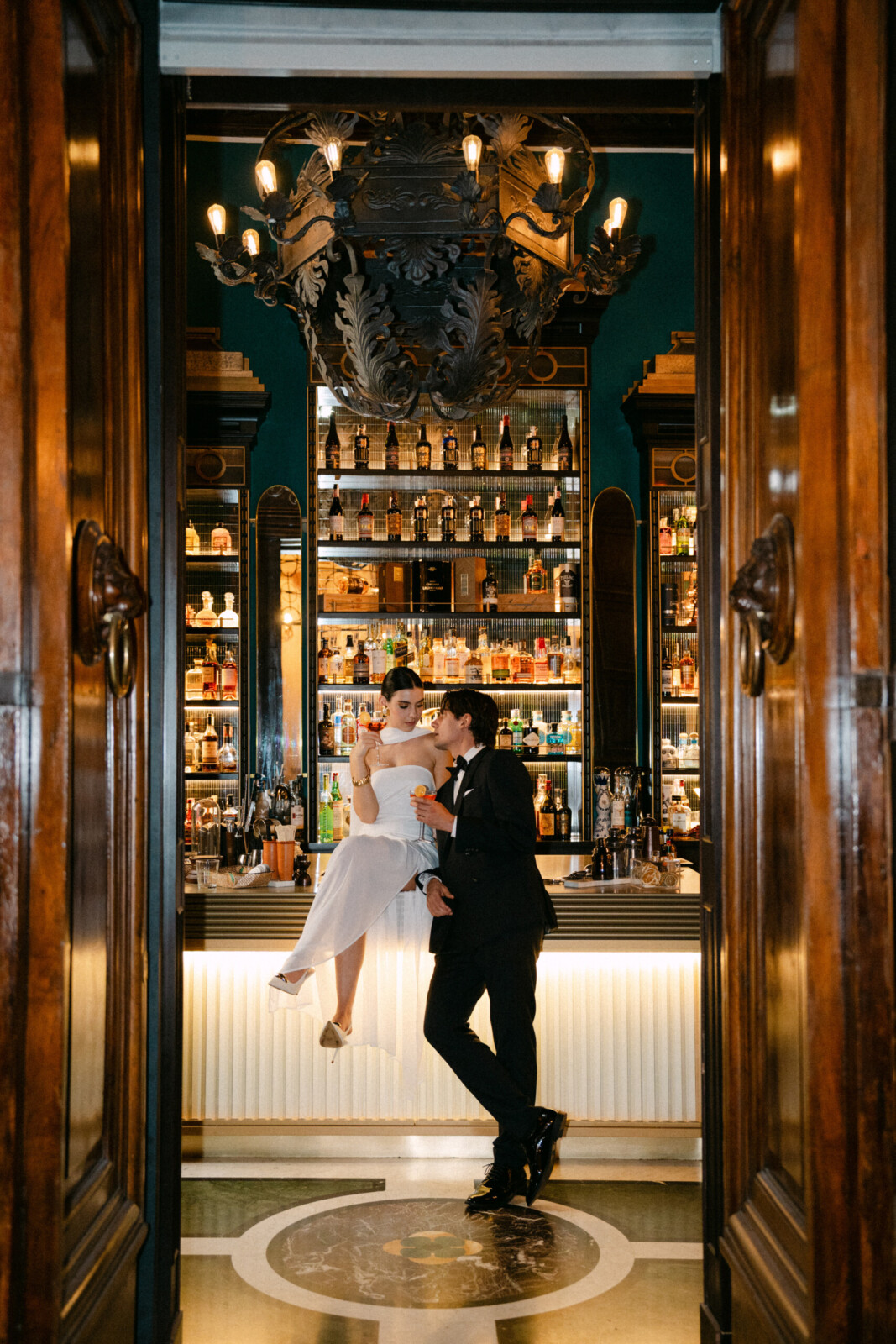
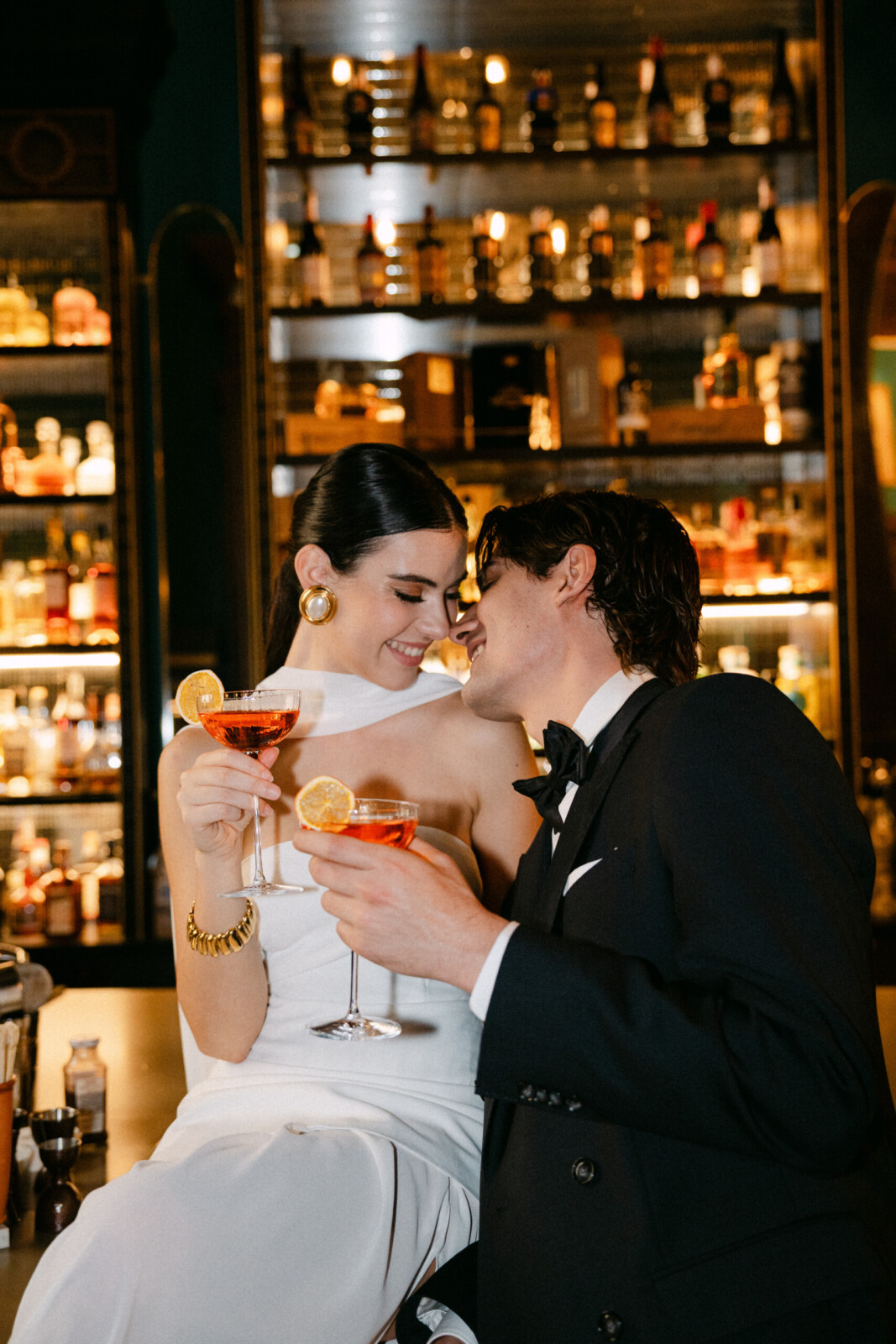
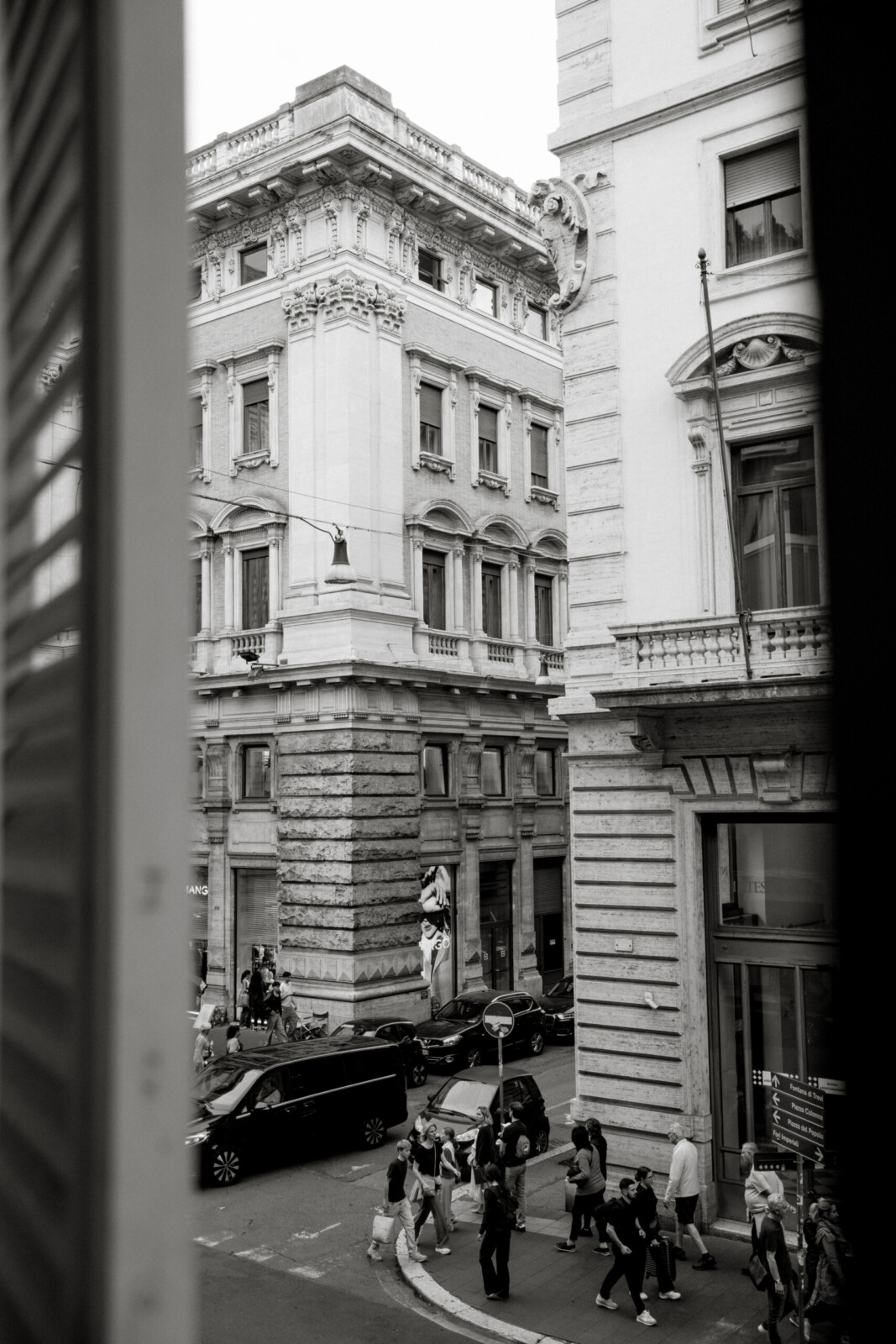
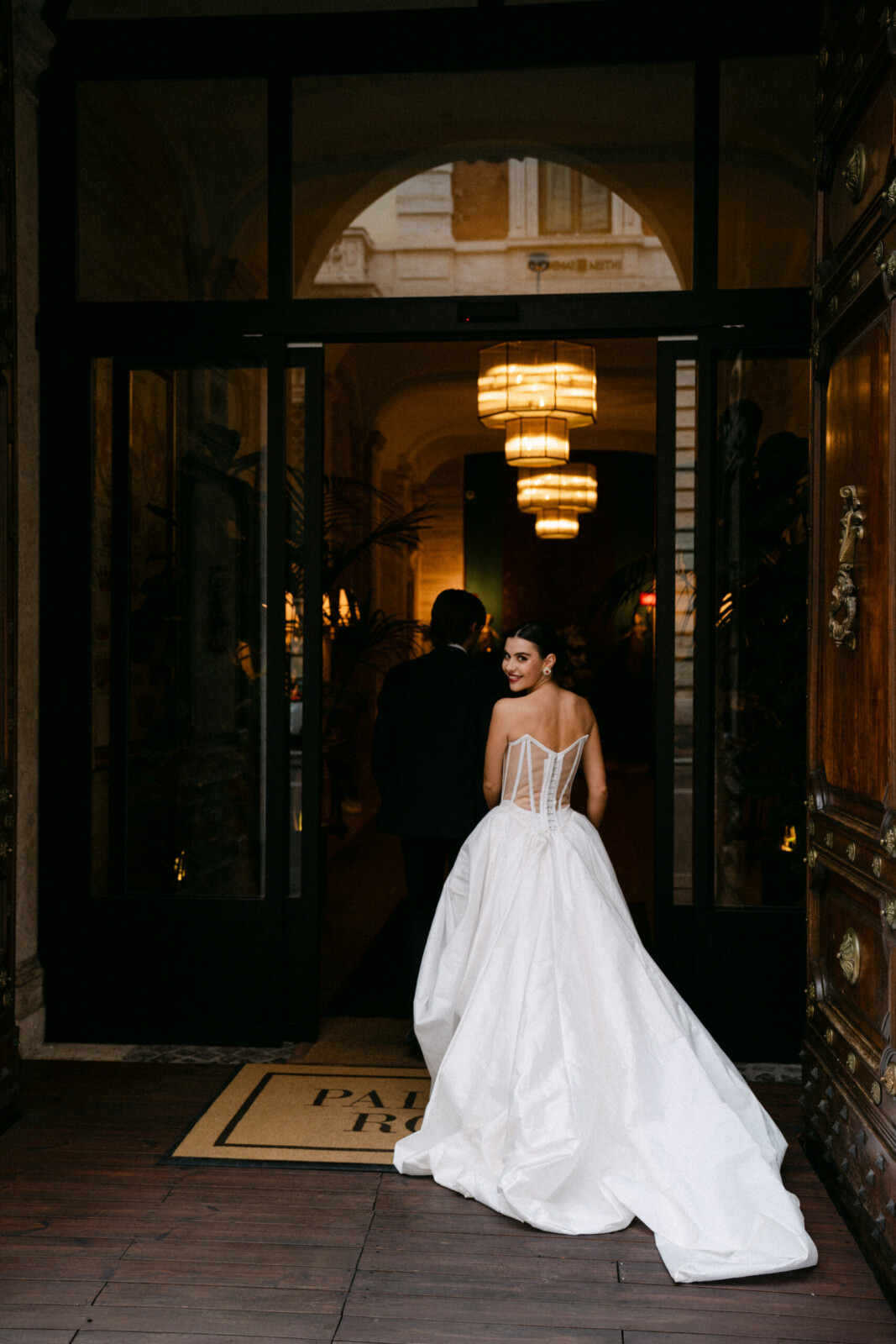
The day starts in a palazzo in Rome. The bride moves through the suite, to the terrace, down to the hotel bar. There are moments to dress, moments to breathe, moments to sit with her partner before the ceremony begins. This is elopement stripped to what matters: two people, one day, no unnecessary performance.
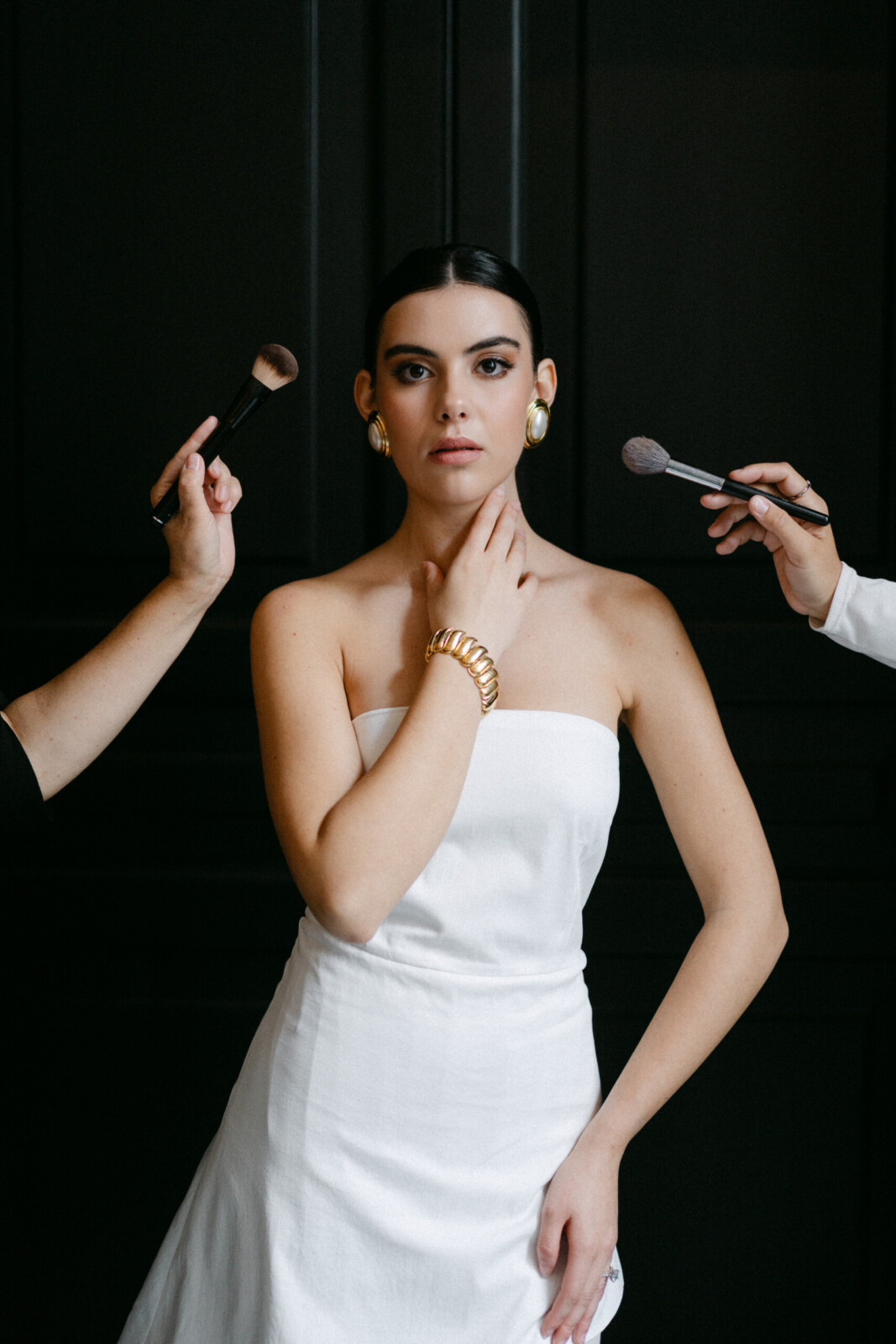
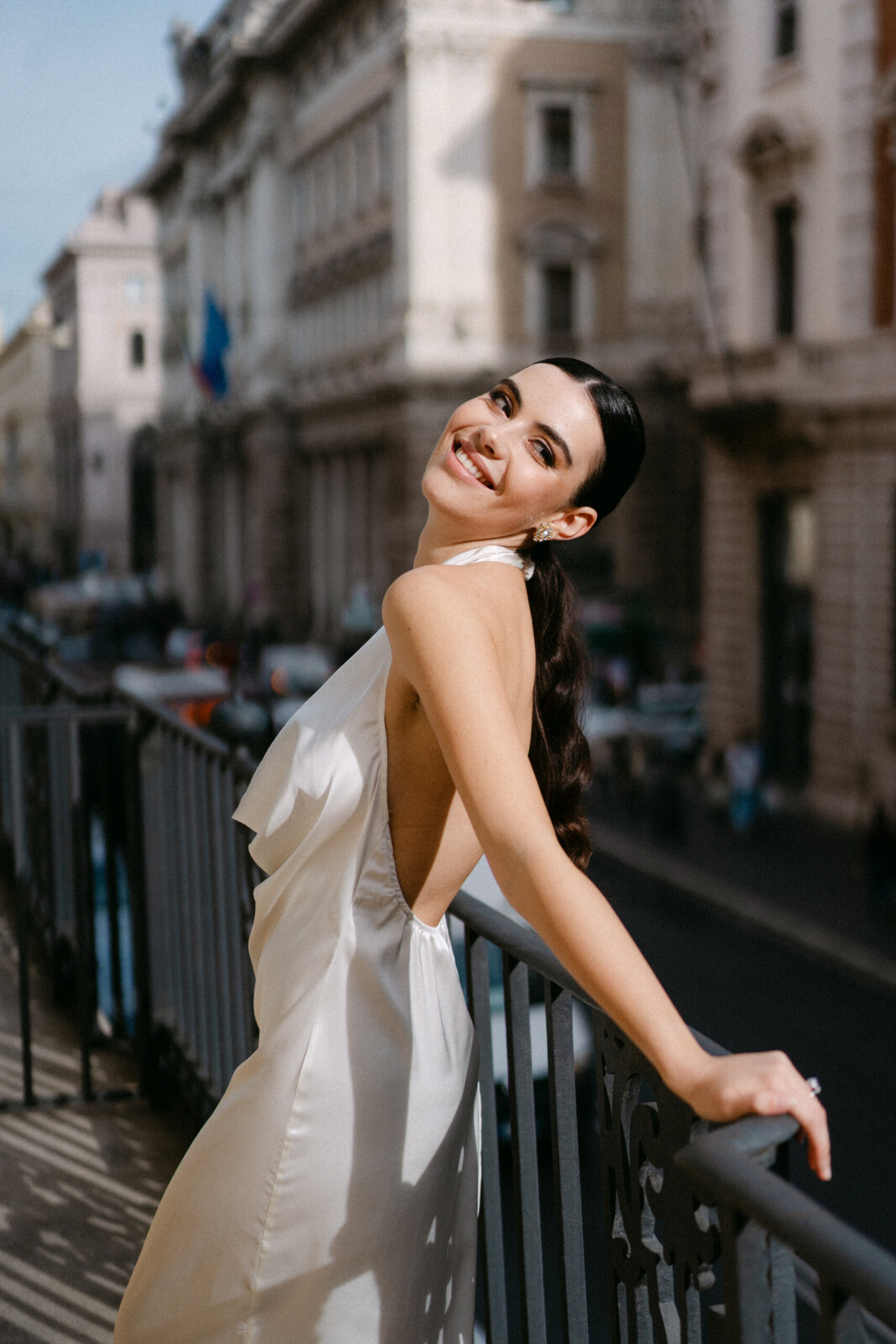
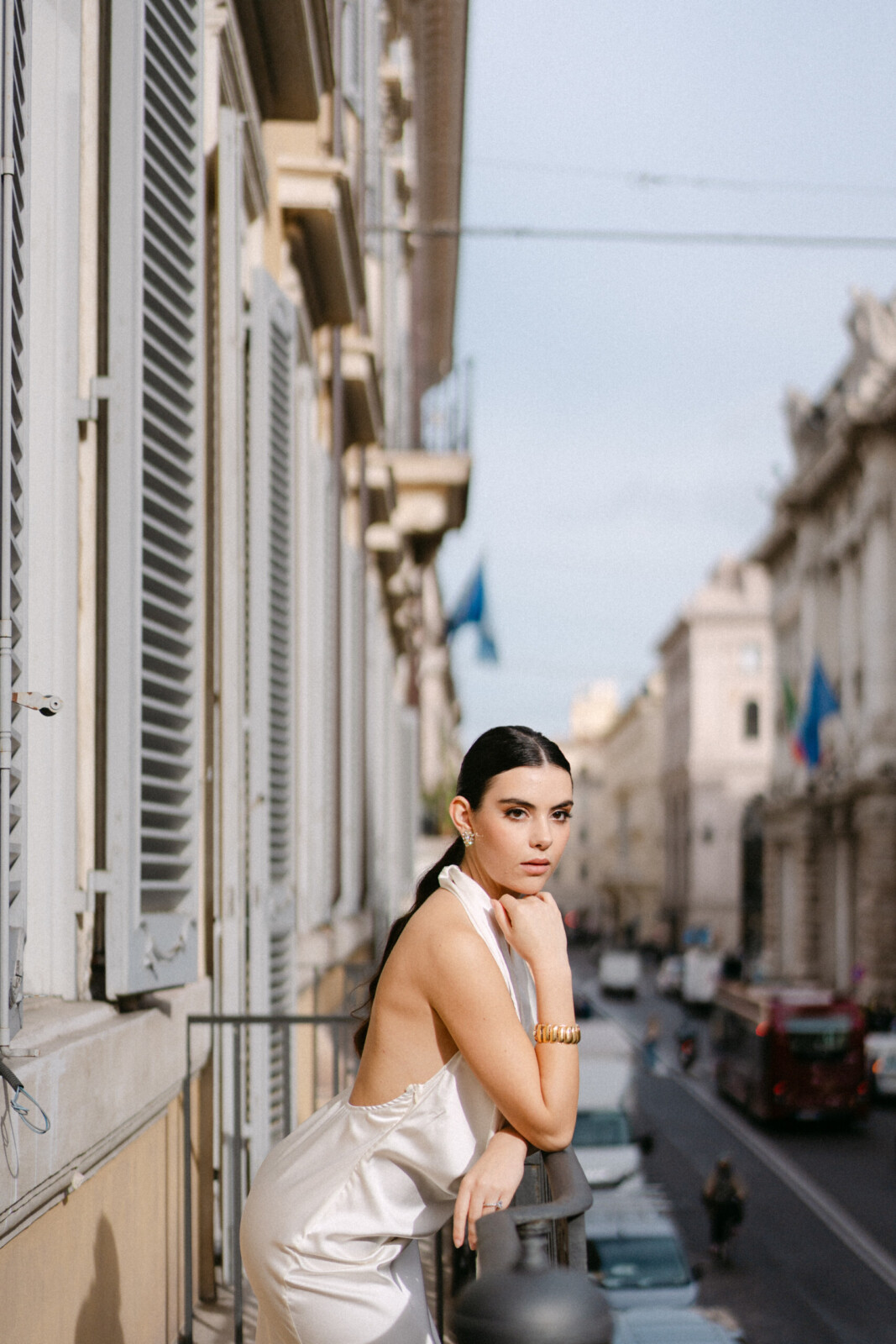
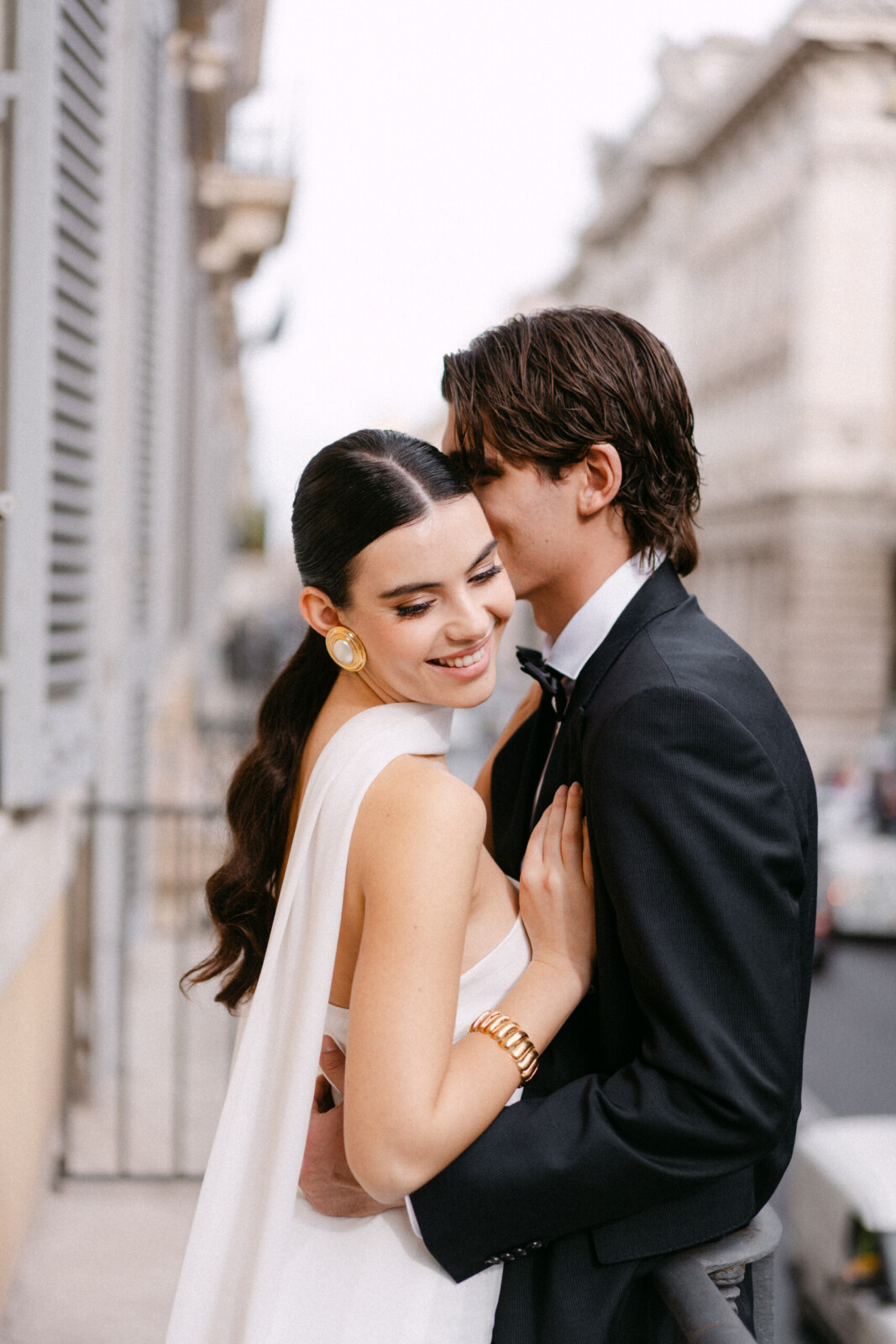
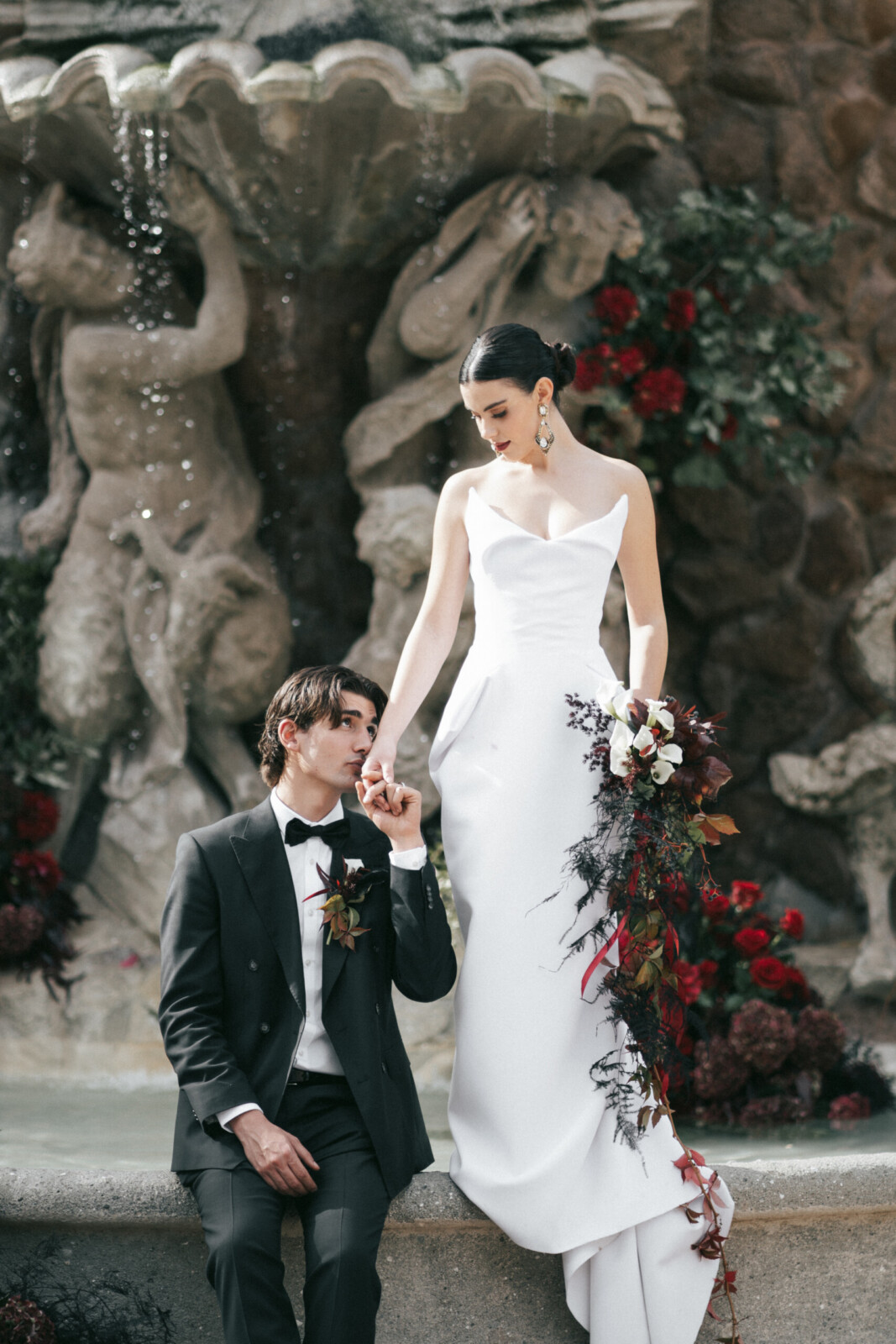
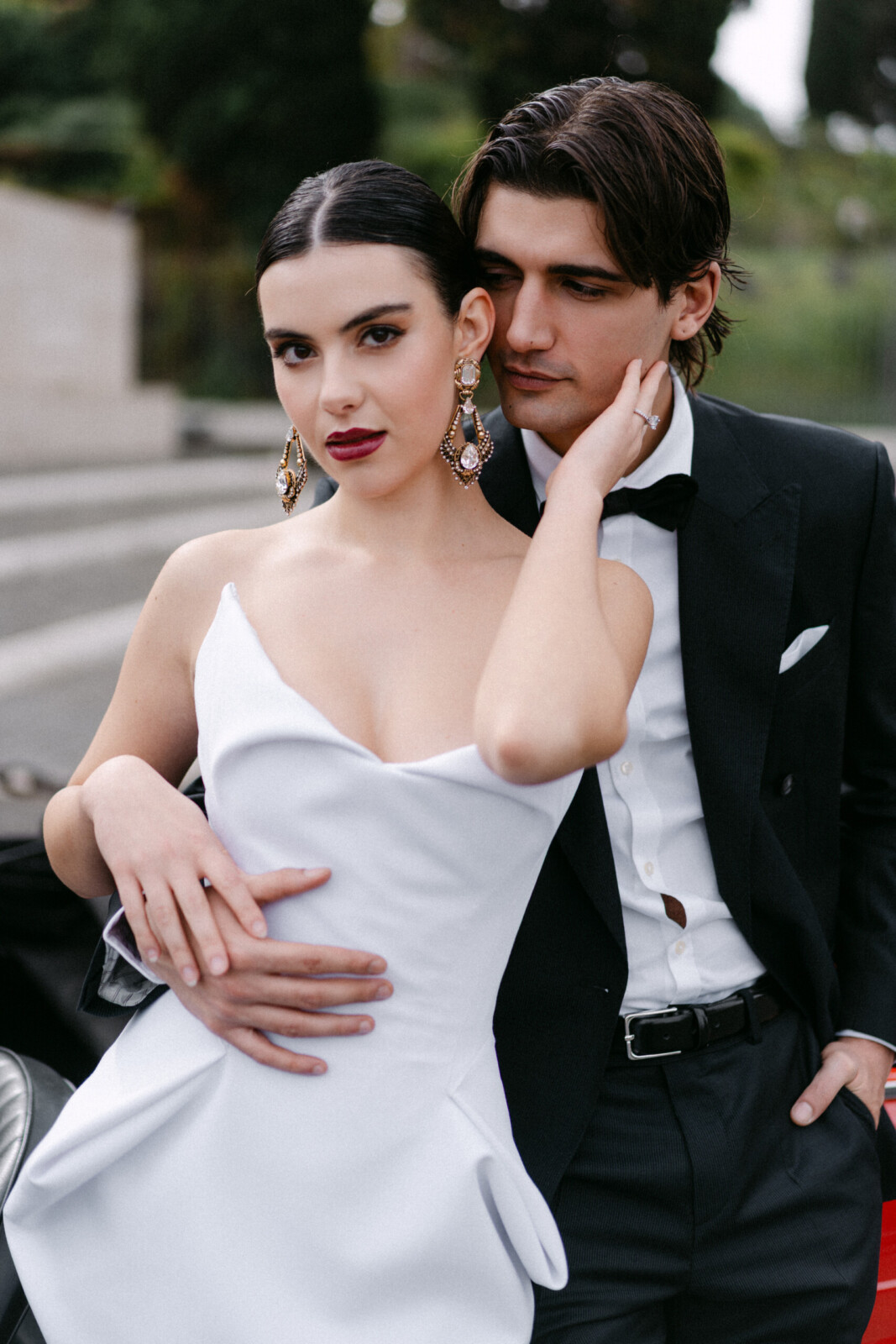
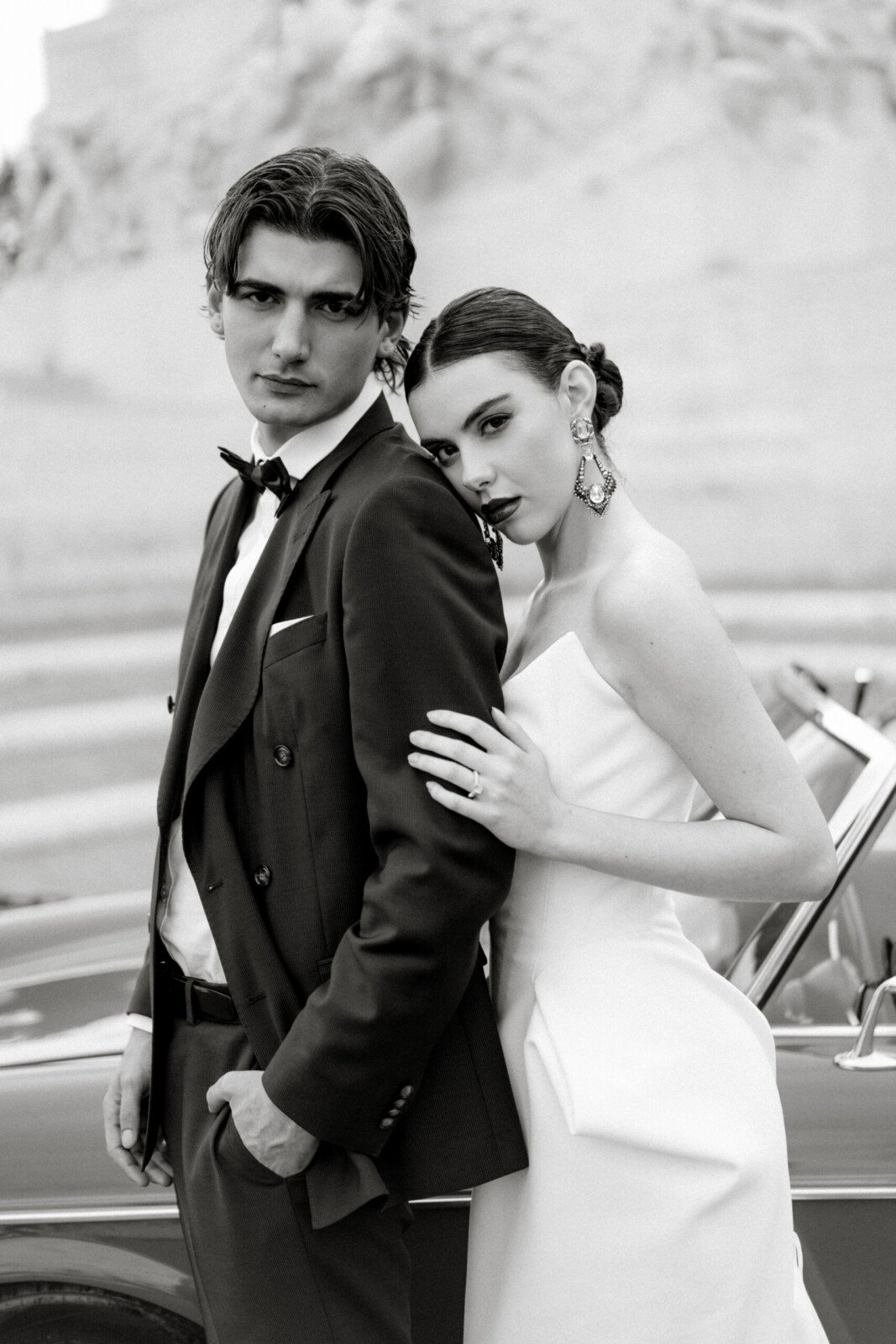
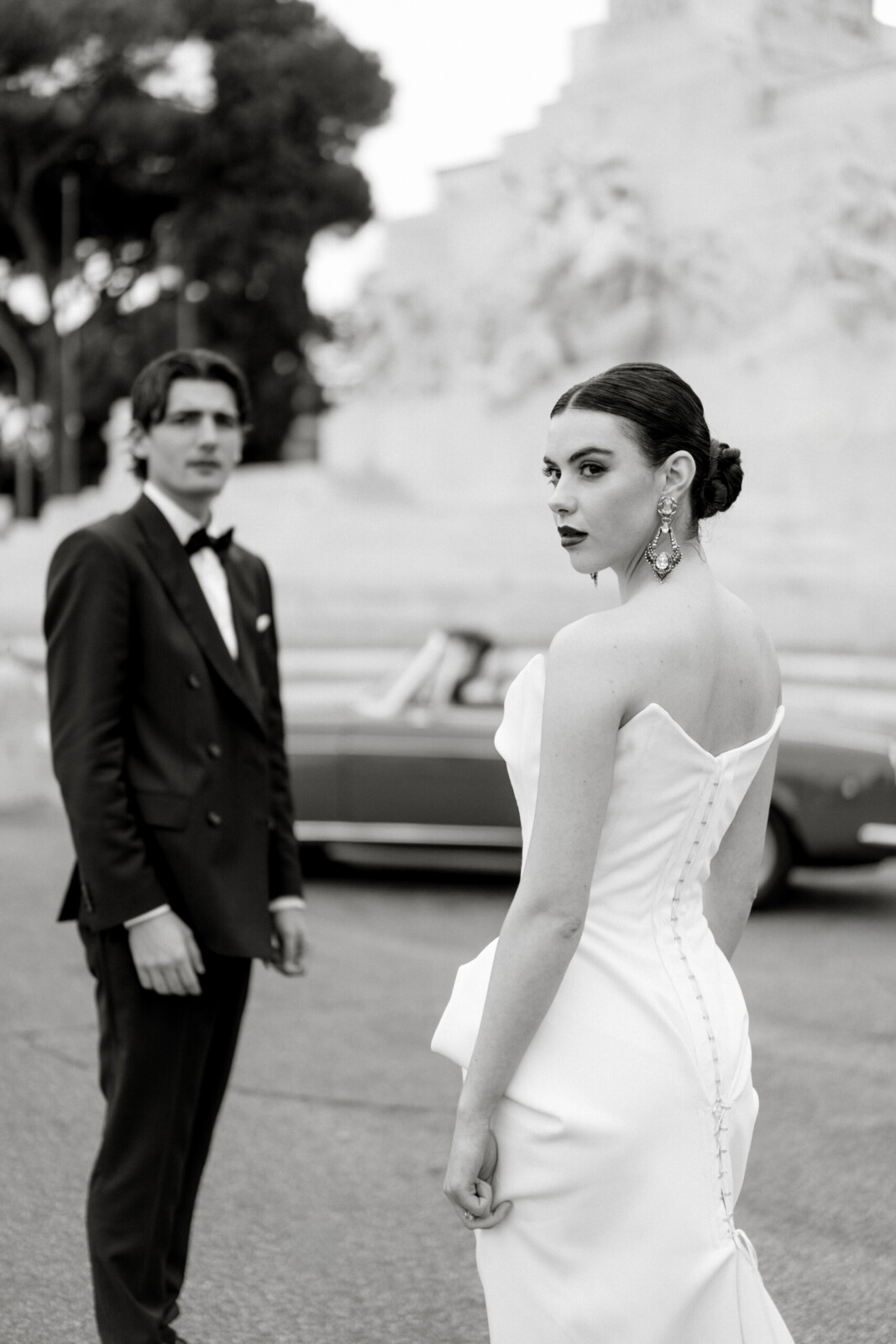
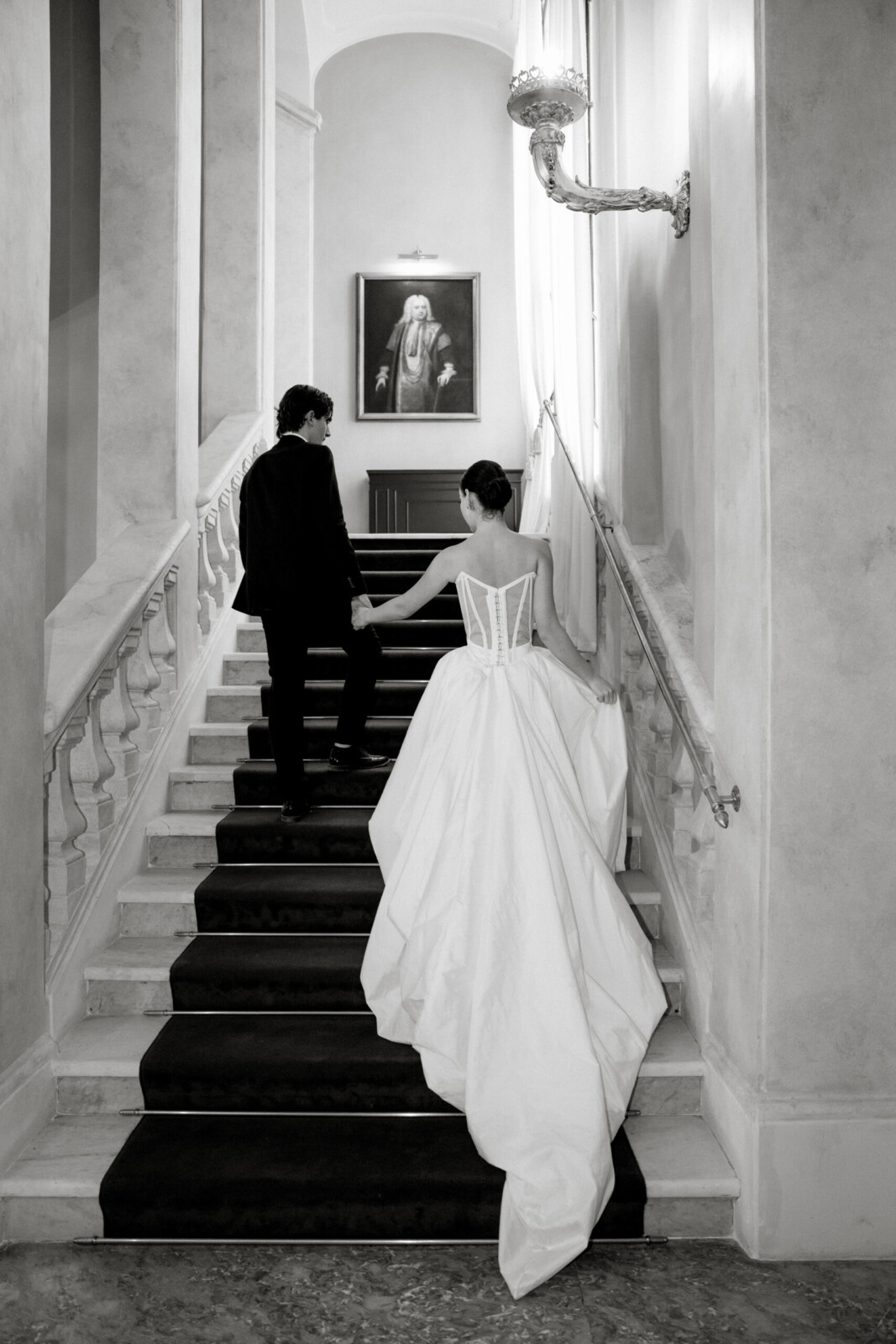
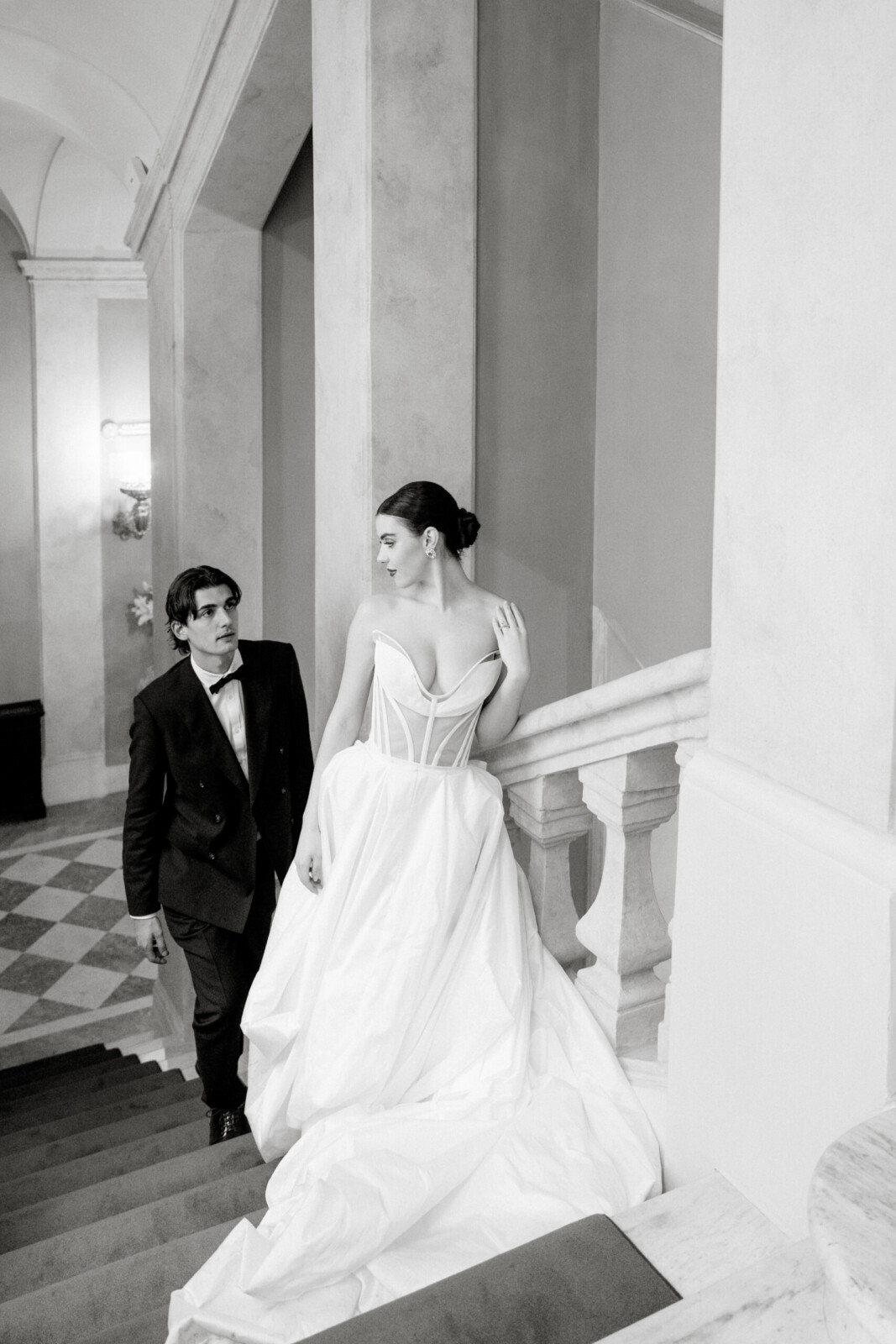
Fashion became the language of the day. The bride wore Aurelio Biocchi couture, a gown built from structure and precision, engineered to move as she moves and the silhouette commands attention without explanation. But the gown was only part of the equation. Hair and makeup were approached with the same vision: not soft, not romantic, but clean and intentional. The look had weight to it. It was built to hold the room.
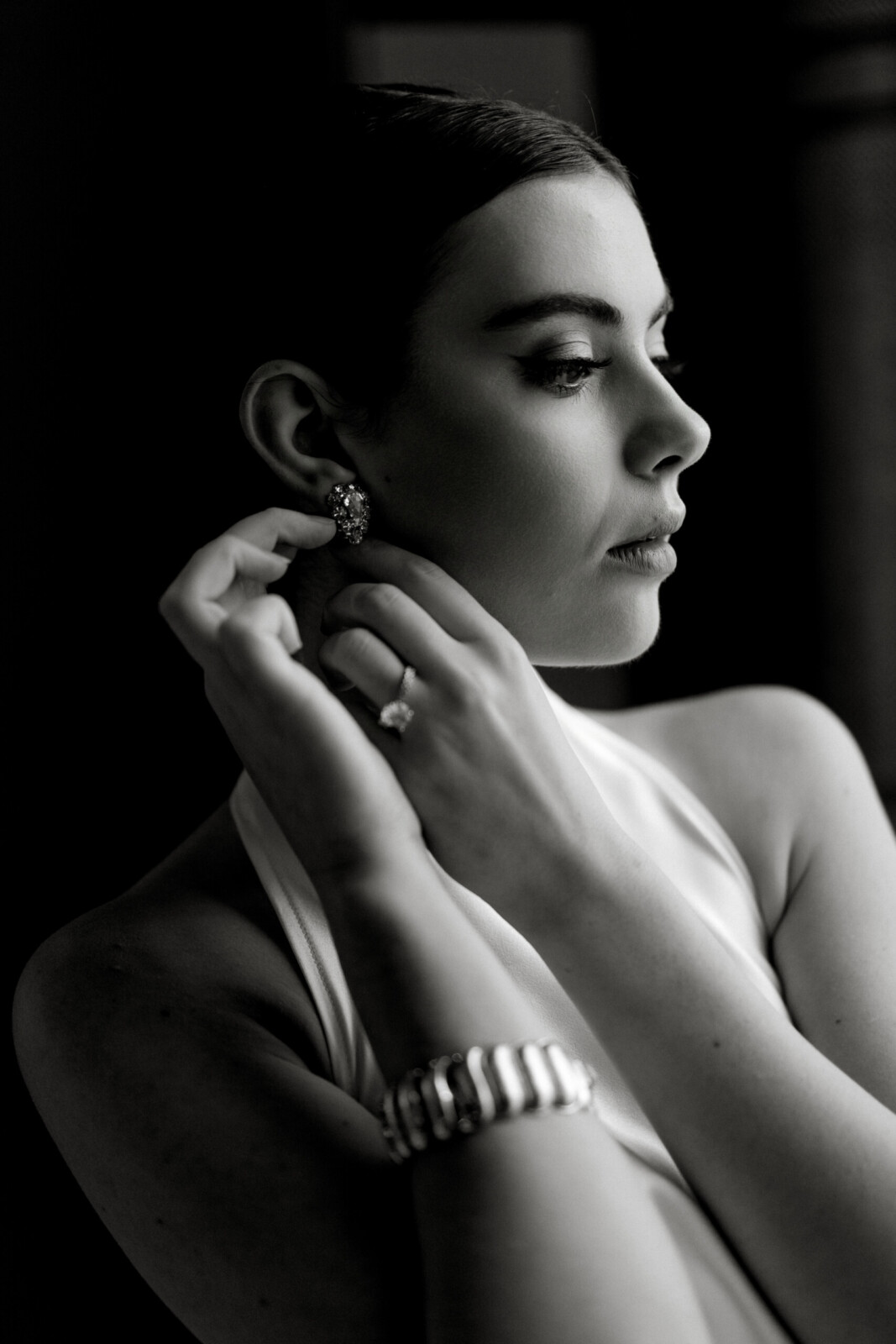
The jewelry told its own story. Rather than new pieces or traditional bridal jewelry, the bride worked with a vintage collector who understood the brief: find pieces that complete this without decoration, that add to the narrative without trying. These were one-of-a-kind vintage pieces each selected for how it spoke to the overall vision. Not costume jewelry, not statement necklaces that demand attention. Instead, pieces that existed as part of the whole, that felt earned rather than applied. The collaboration between bride and collector resulted in something specific: jewelry that felt as intentional as the gown, as considered as the suit. It was the difference between jewelry worn and jewelry that belongs to a particular moment, a particular person.
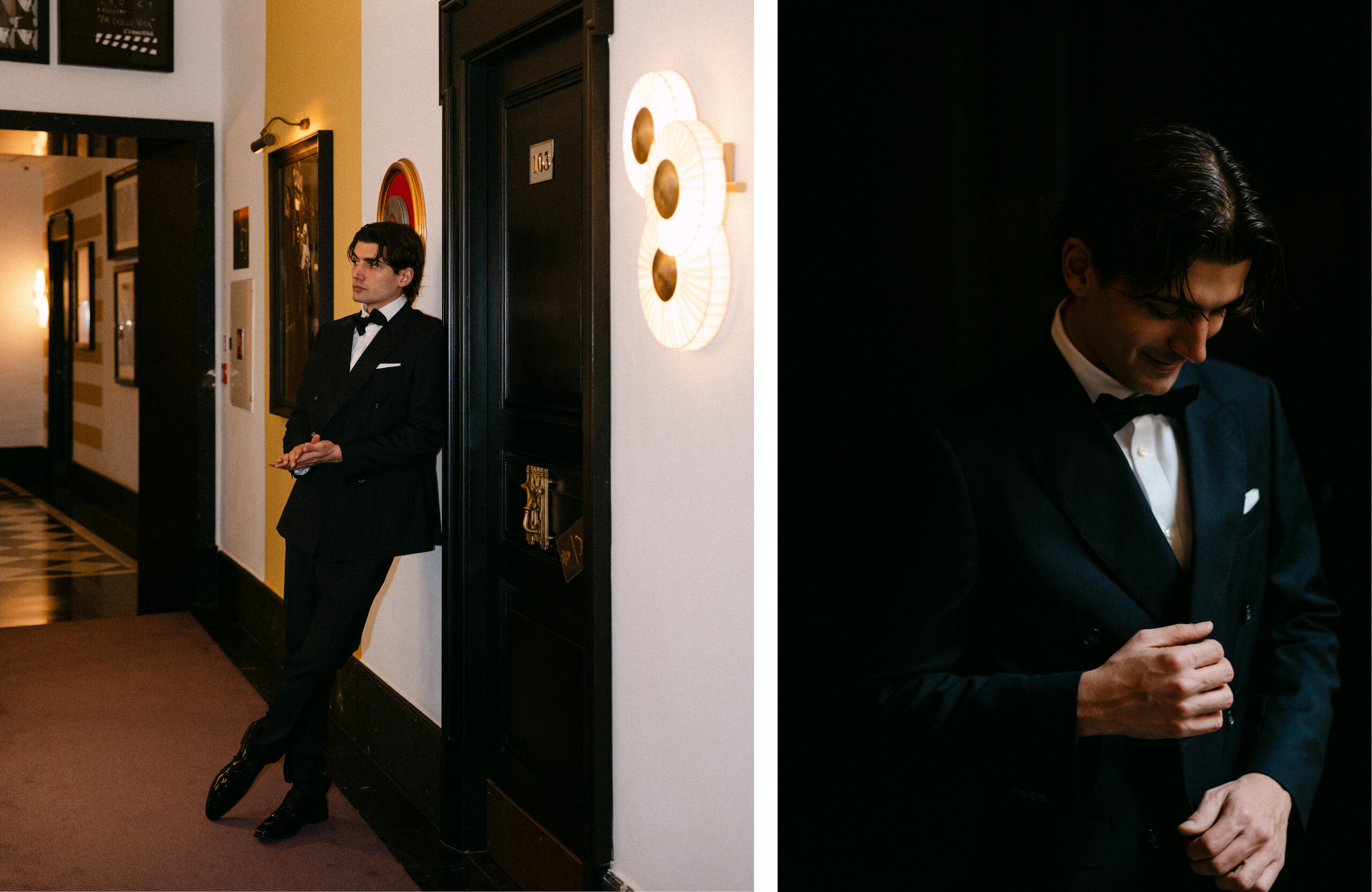
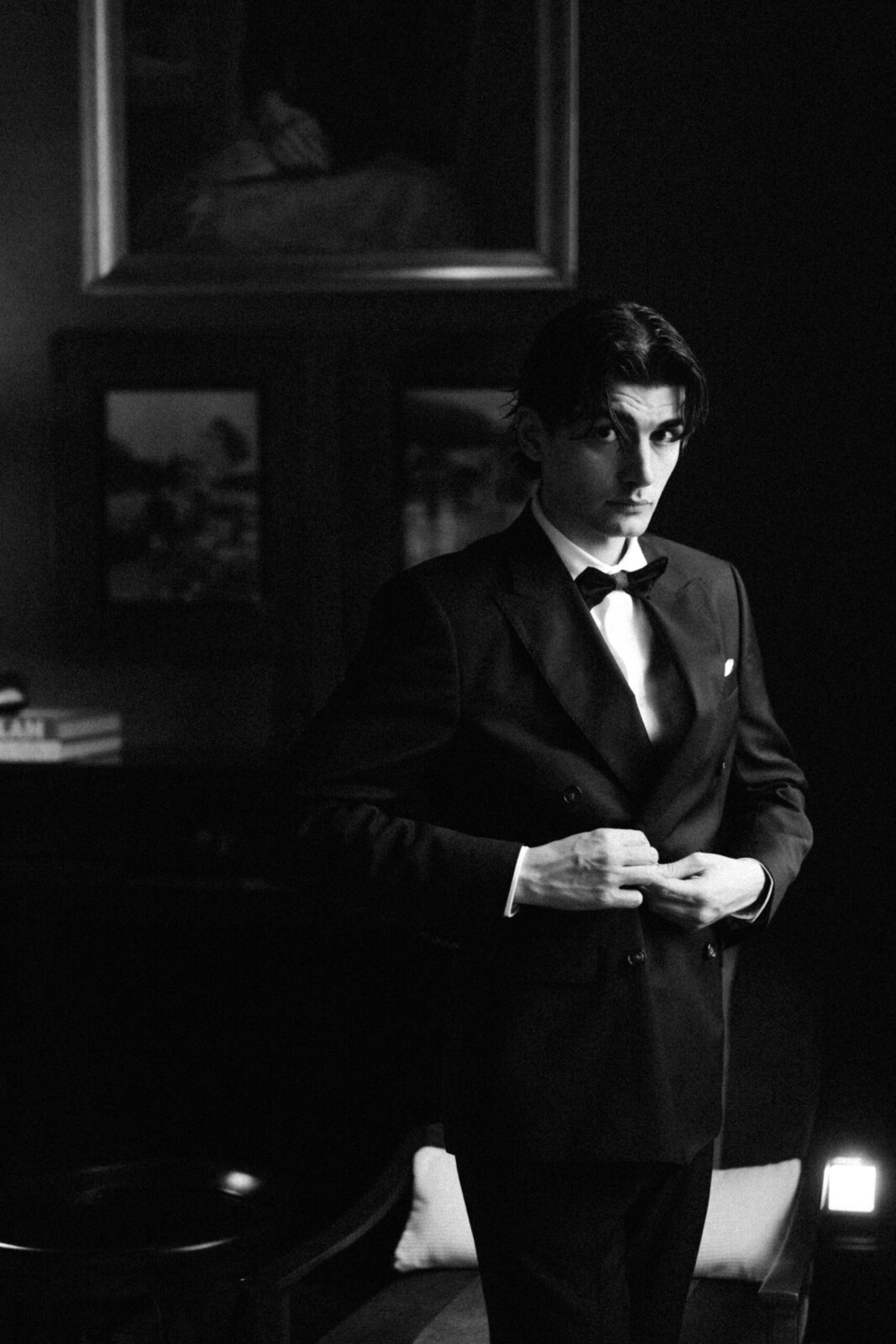
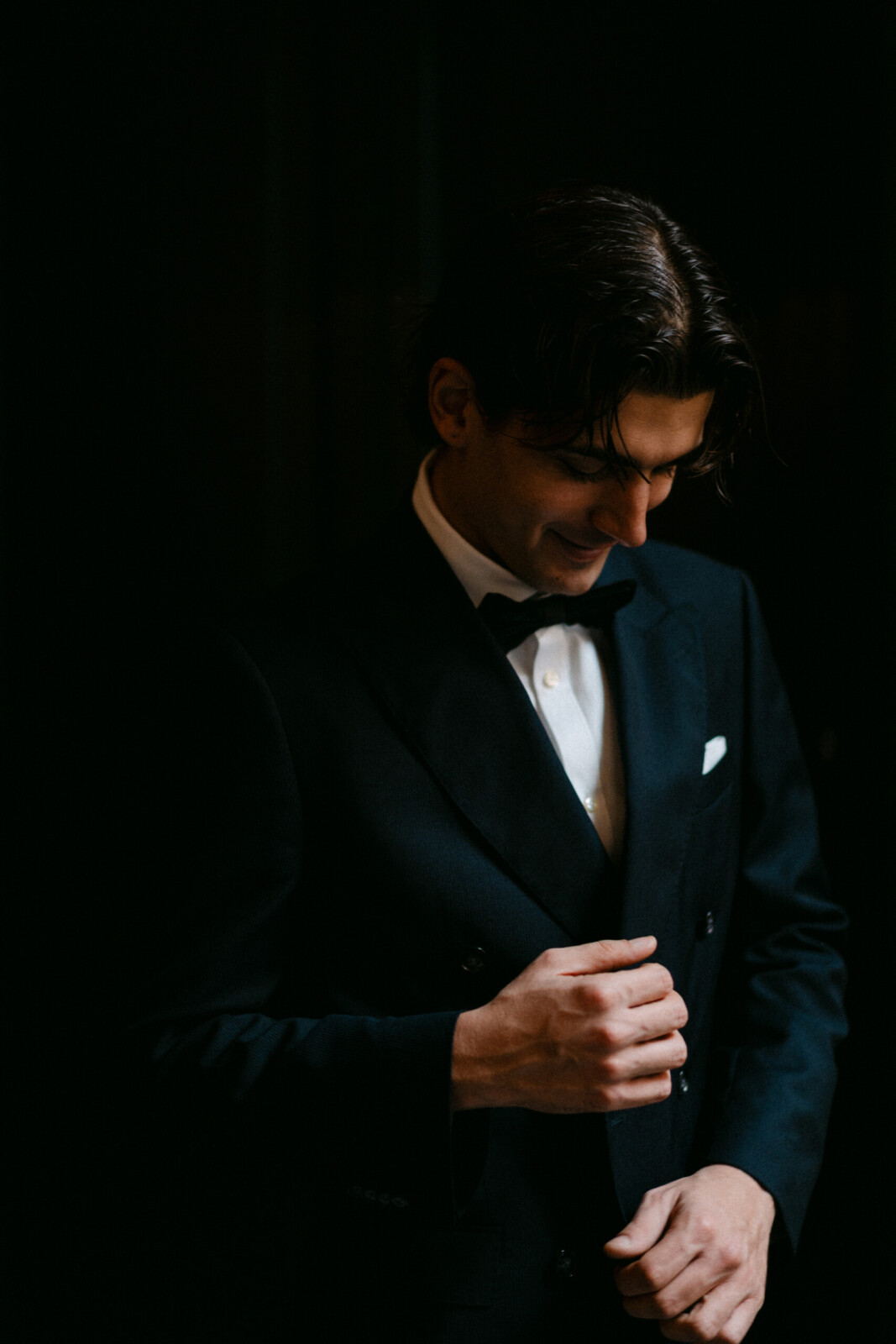
The groom chose Hugo Boss: a suit that fits exactly, tailored down to the last detail. These weren't costume pieces. They were statements of who she is and who he is. Luxury, here, is in the fit and the fabric. Not in embellishment.
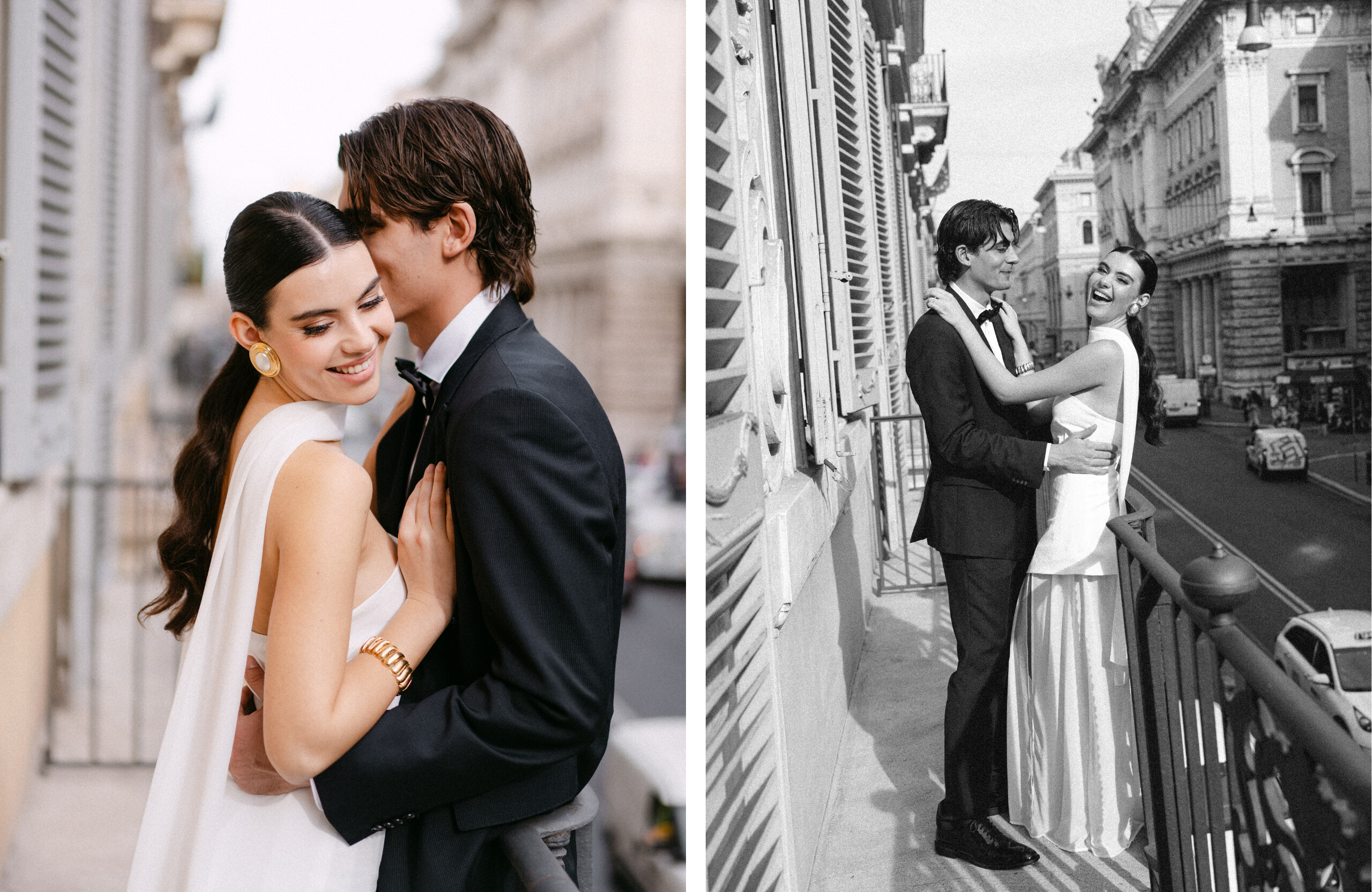
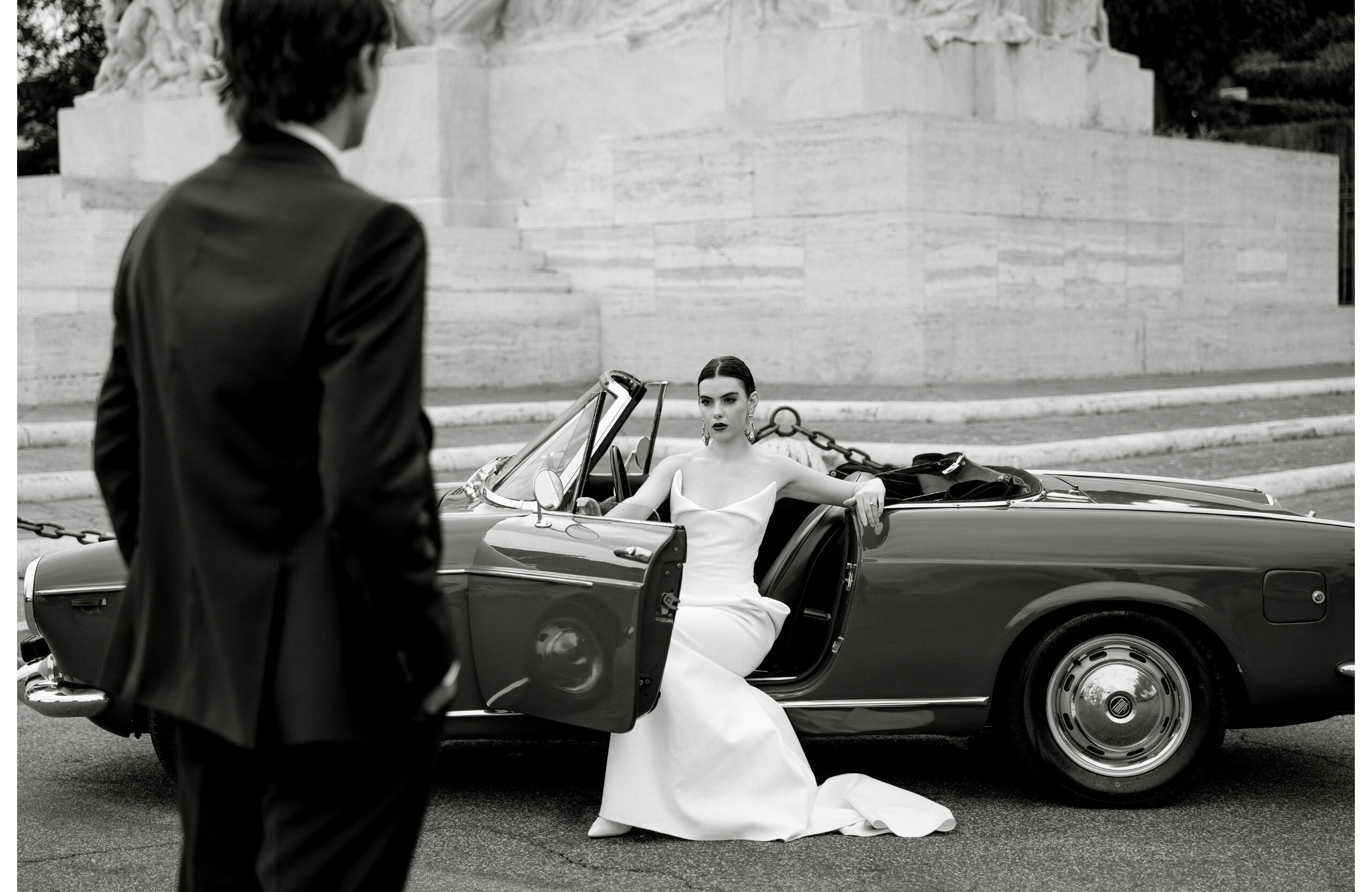
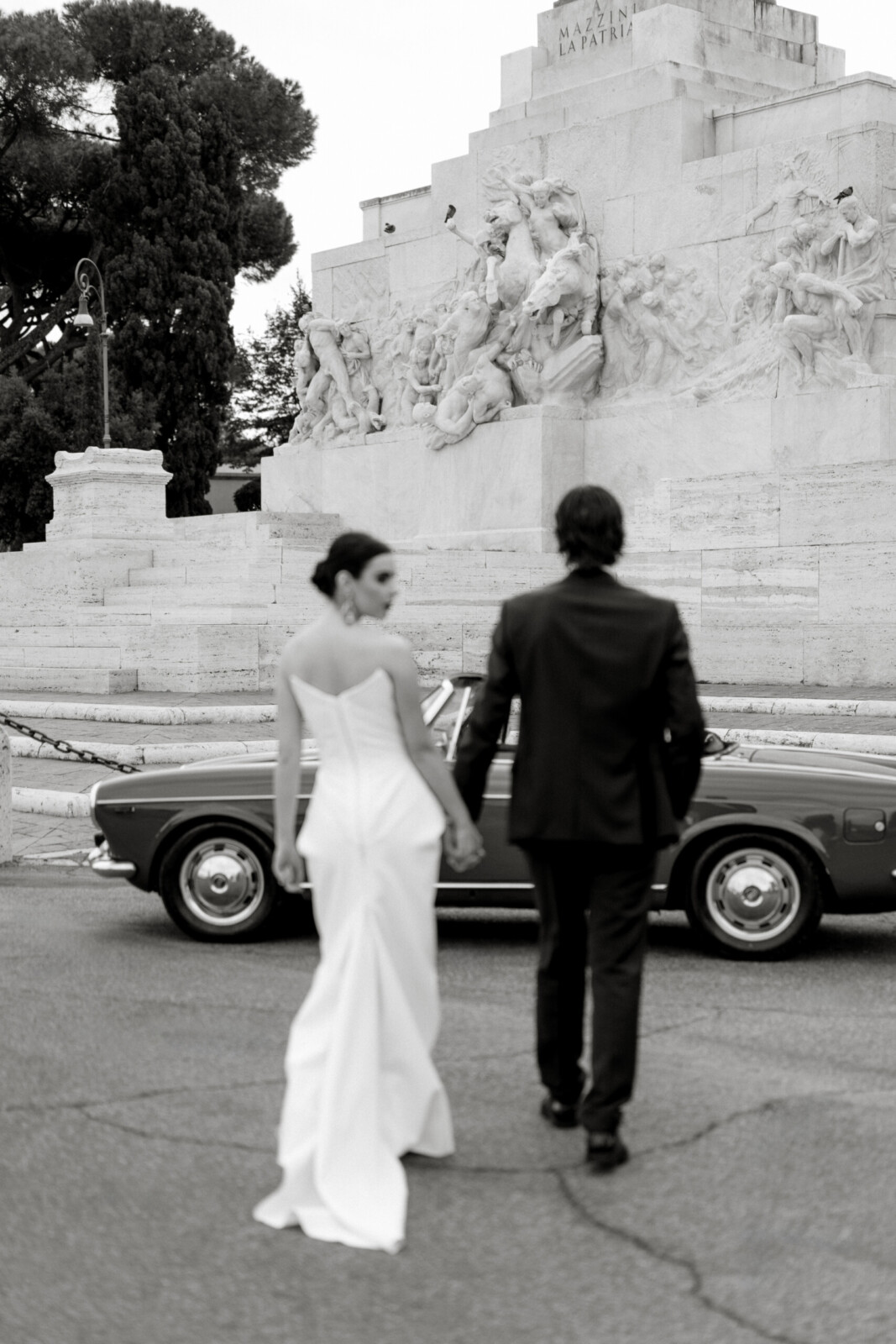
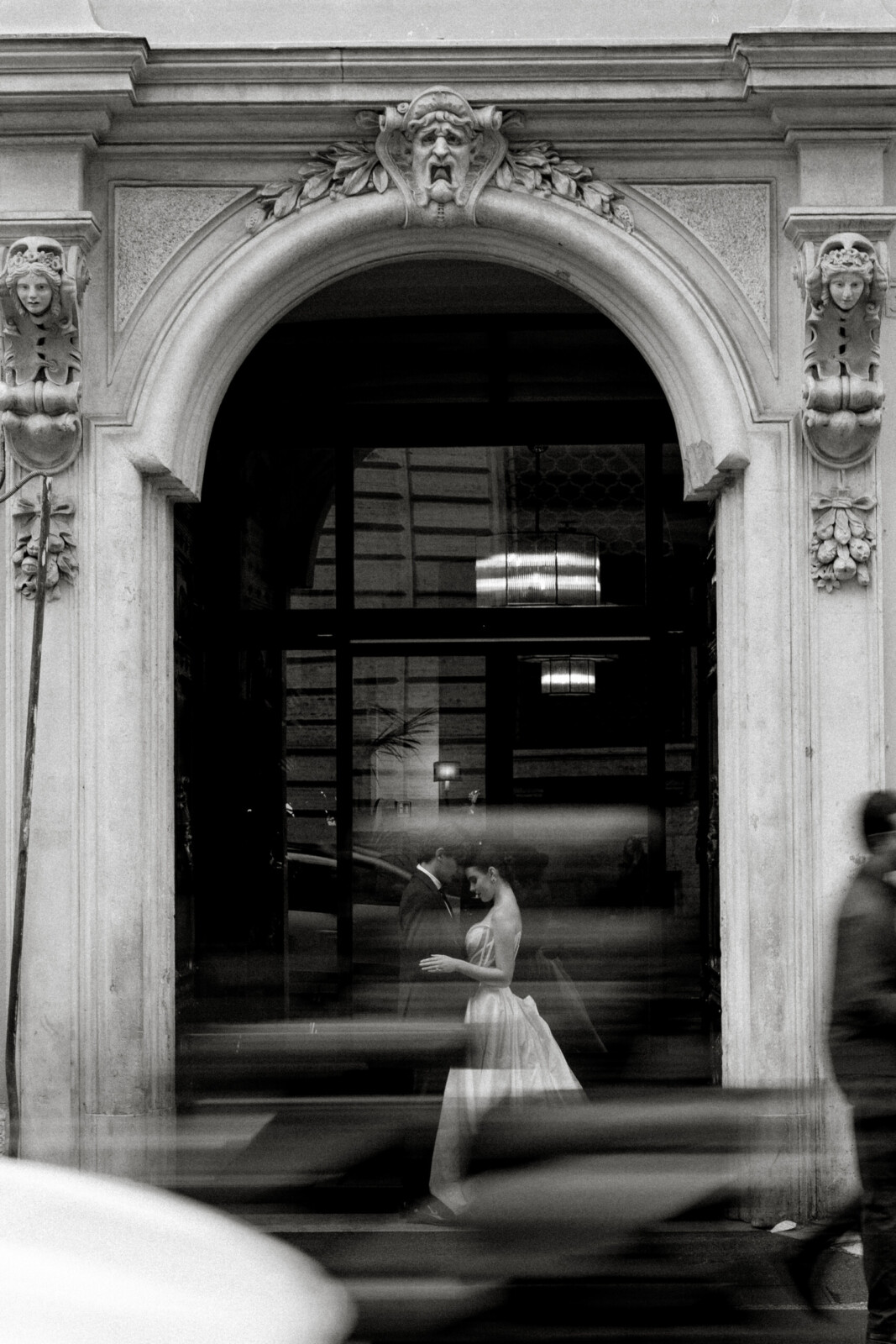
They moved through Rome in a vintage red Fiat. Not the postcard Rome of tour buses and crowds, but the Rome they wanted to discover. Side streets. Less obvious corners. Locations where the light fell differently than you'd expect. The photographer caught them as they moved not posed, but present. This is where the aesthetic of the day came through: contemporary, unsentimental, grounded in the actual moment rather than the idea of the moment.
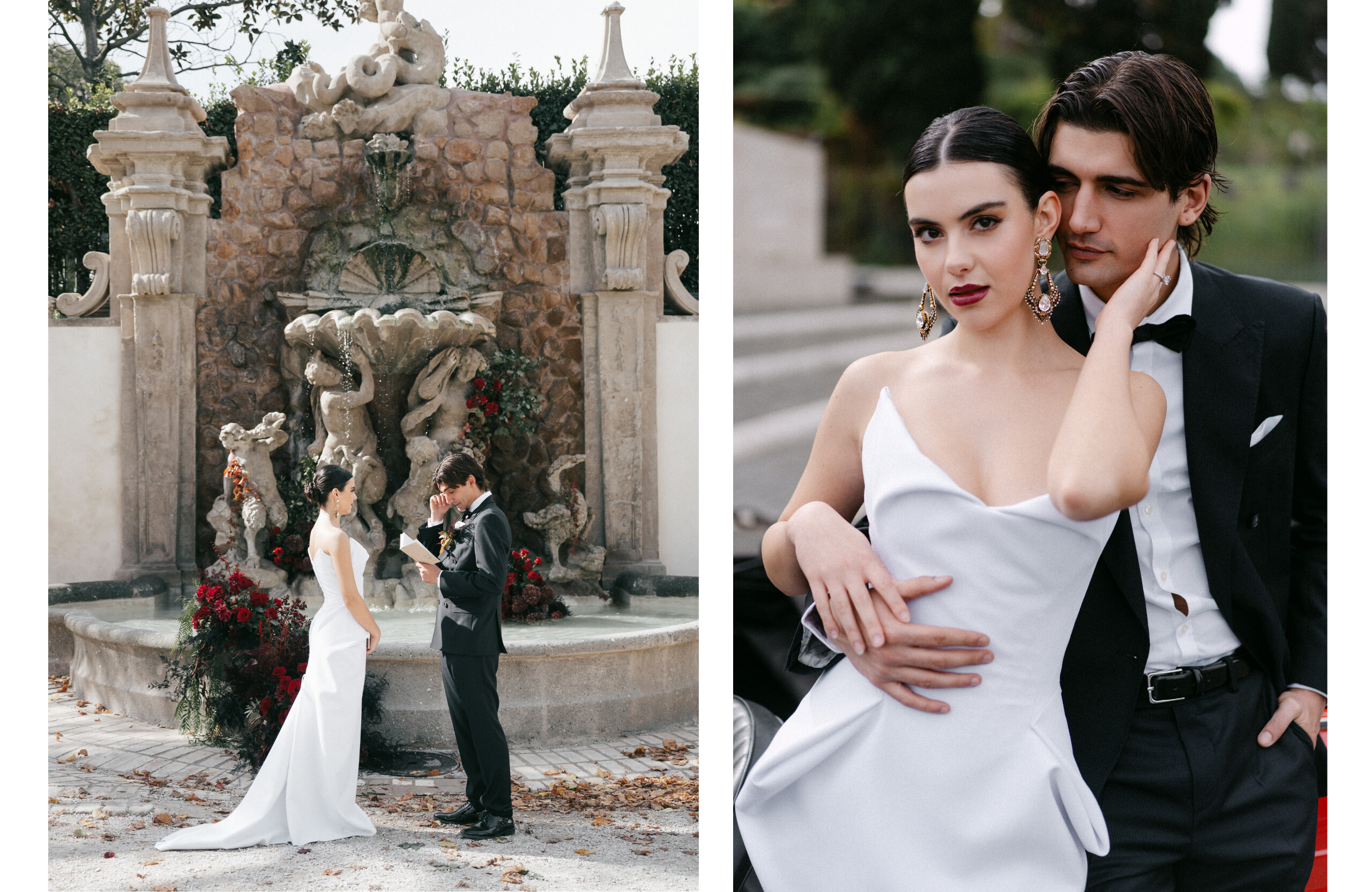
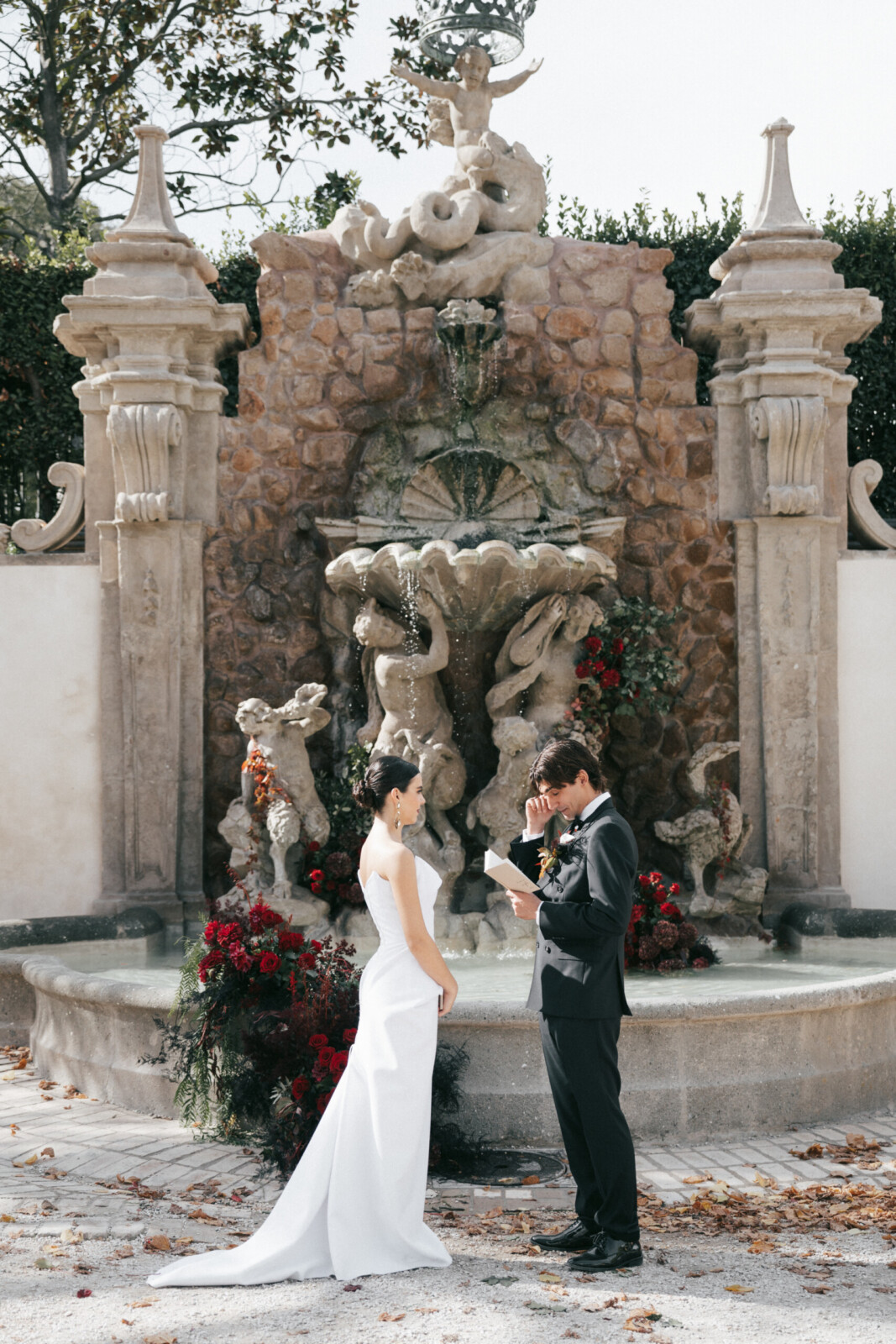
When Alessio Minotto, the Parisian florist, arrived to understand what the bride wanted, she was clear: nothing expected. No traditional ceremony flowers. No what-a-bride-should-have. Minotto listened and then he reimagined. Soft neutrals paired with burgundy. And then, a choice that broke every rule: he brought the florals directly into the fountain at the ceremony location. Not arranged around it. Into it. The flowers existed in the water itself, a solution no one had considered before because it required thinking beyond the frame of how weddings typically work. The bride wanted to break form, and Minotto understood that meant literally breaking the expectations of where flowers could live.
The ceremony happened in a location chosen for what it was, not for what it could be made to look like. Two people. Vows. The simplicity of the moment made it hold weight. There's no decoration that can compete with actual commitment, actual presence.
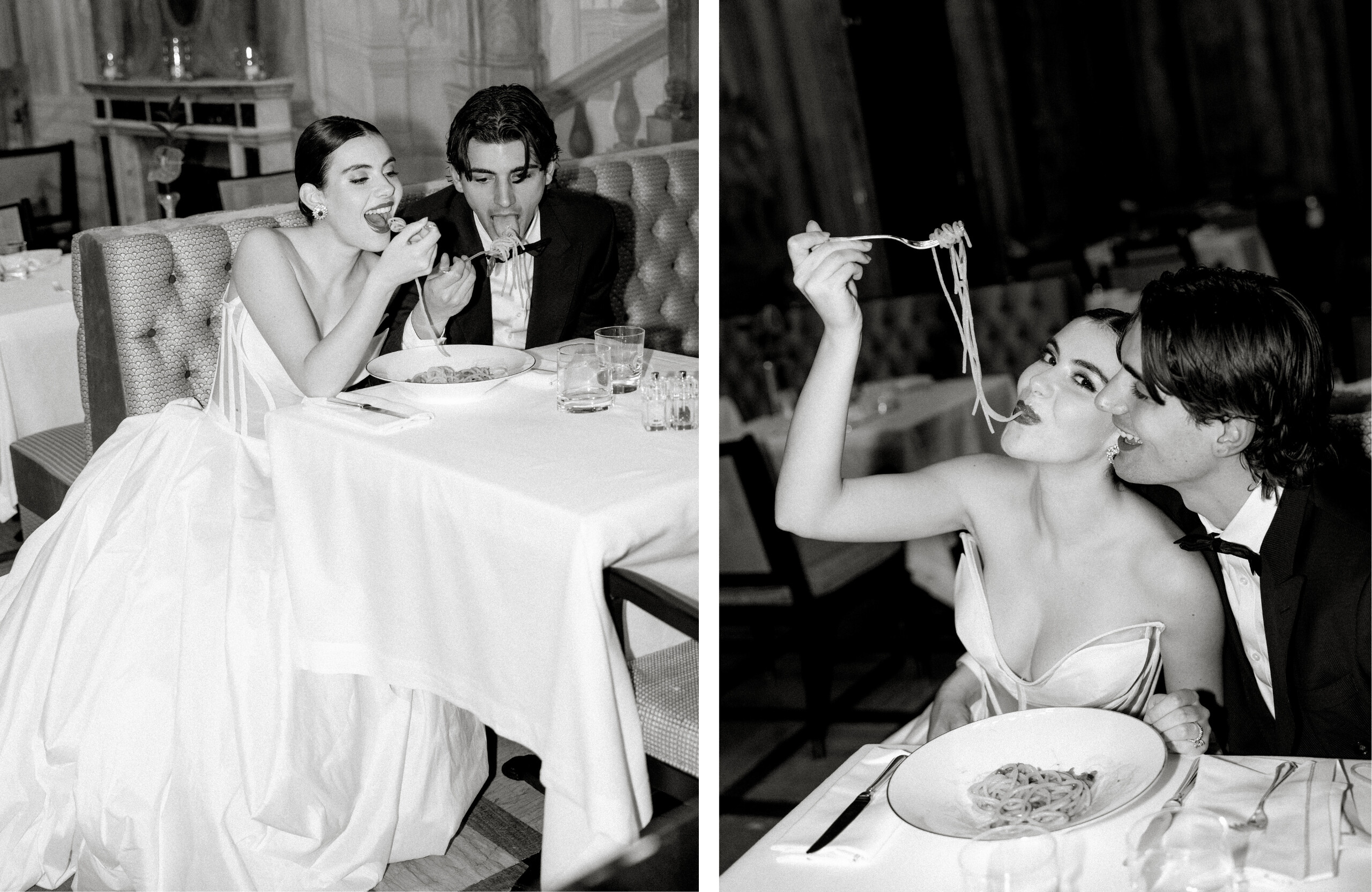
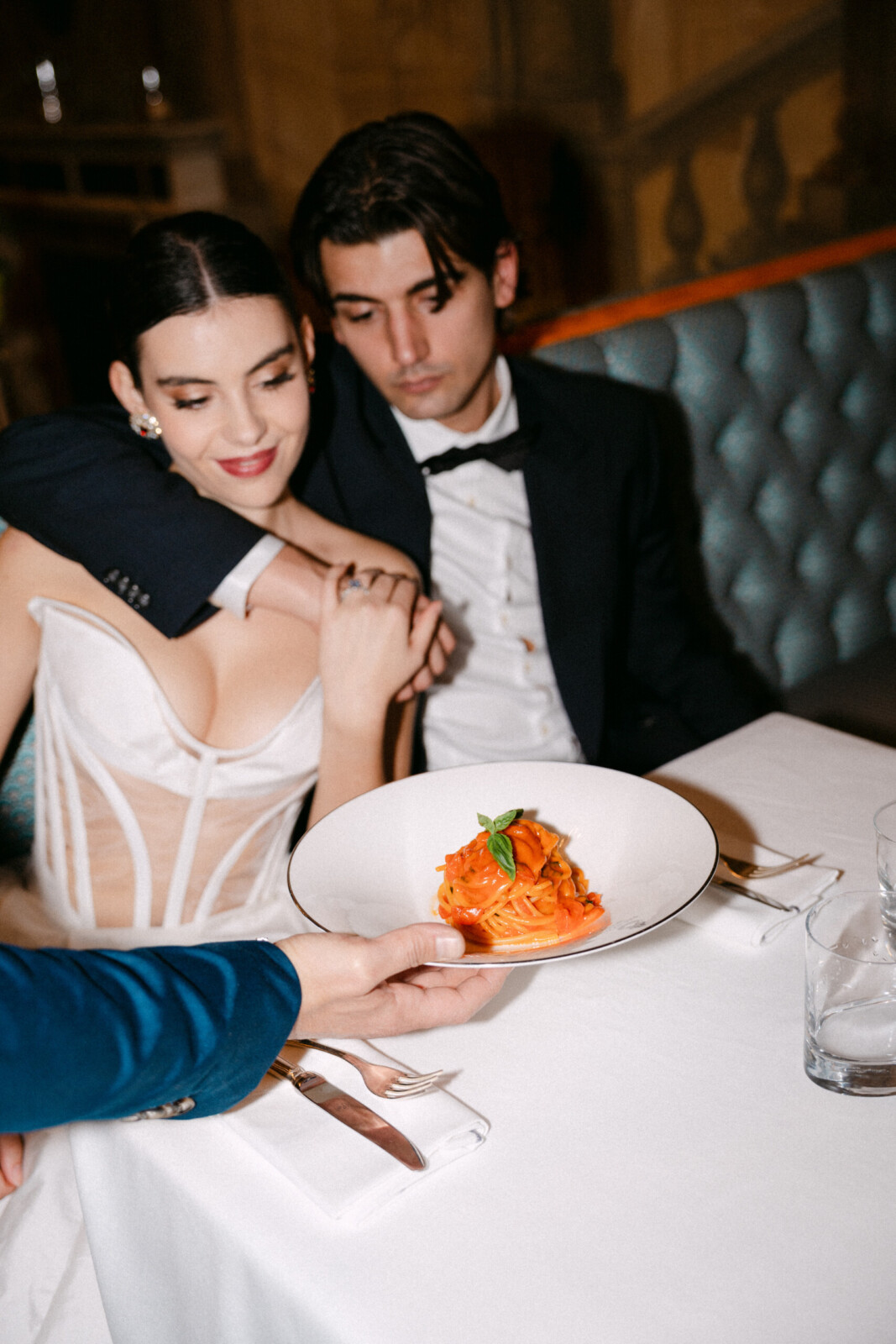
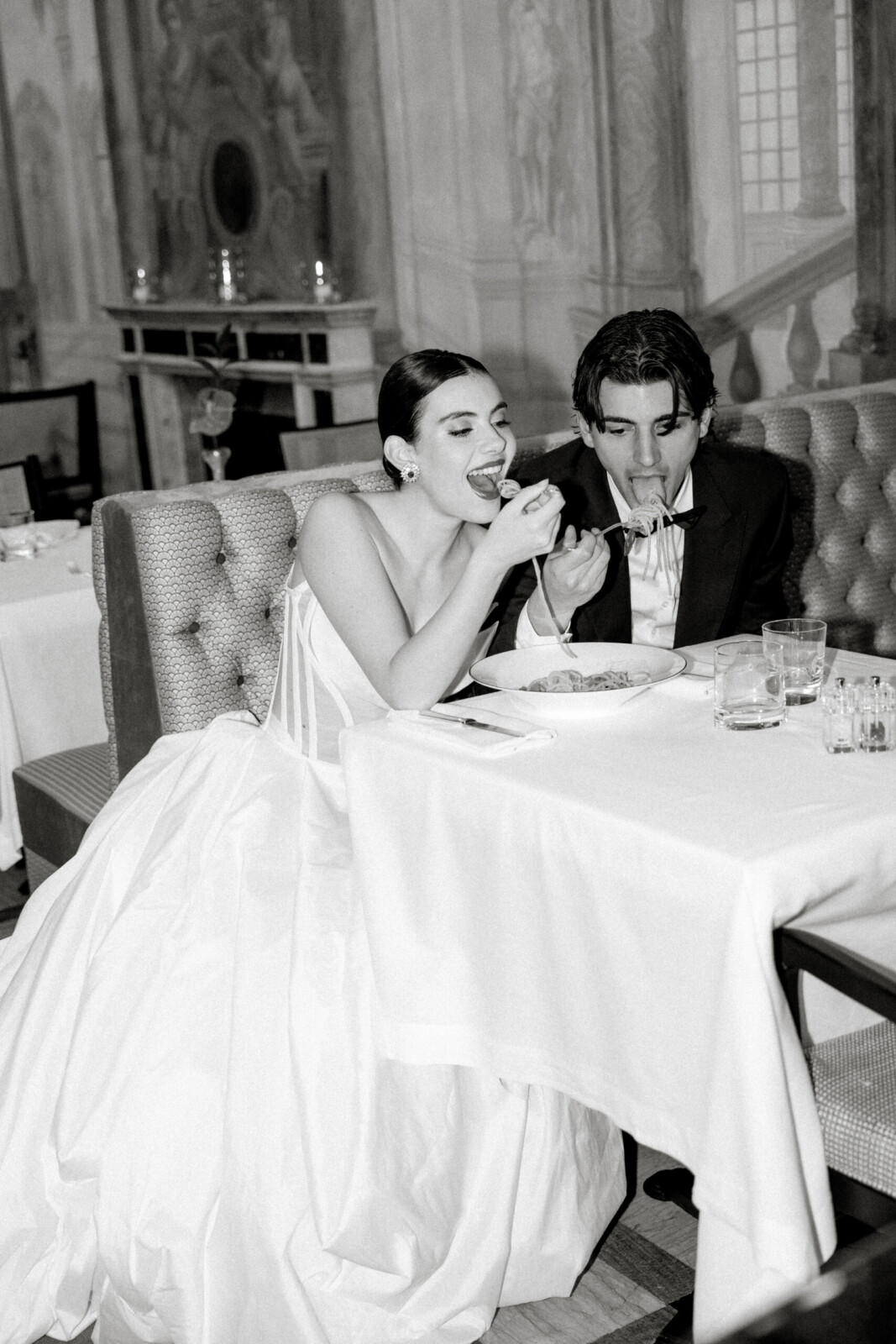
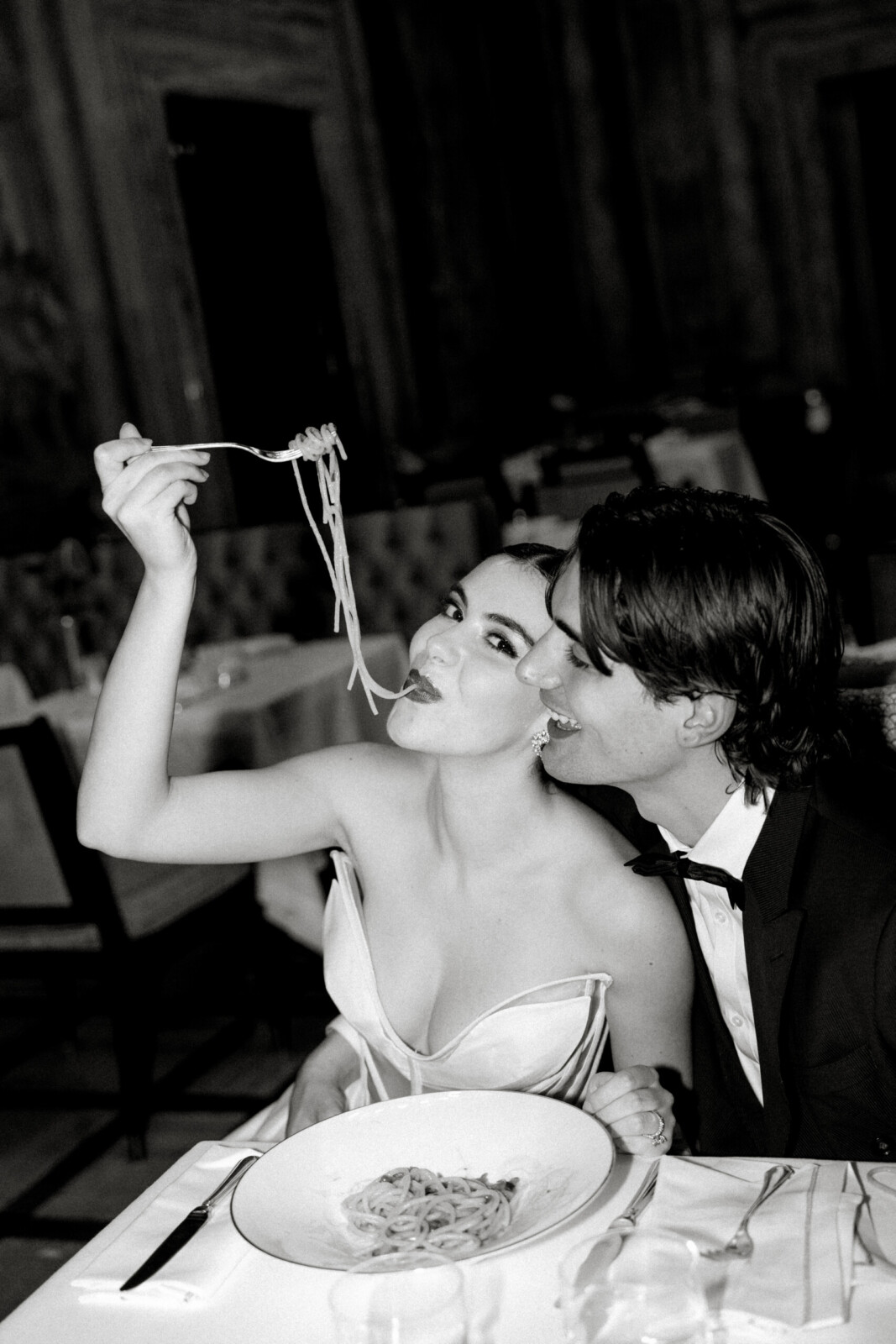
After, a wardrobe change. The bride moved into something new, marking the shift from ceremony to the hours after. Then they sat together and ate pasta—not for sentiment, but because eating together is what humans do when they choose each other. The through-line of the entire day was this: underneath everything—the gown, the locations, the professional execution—was a couple who had decided to marry on their own terms, in their own way.
This editorial doesn't draw power from history or romance. It draws power from specificity. Every choice in the day from the suit to the venue to where the flowers went came from a clear understanding of what mattered and what didn't.
The bride knew her aesthetic.
The vendors understood it. They executed it.
That alignment is what creates something that lasts.
For couples building their own days, this story offers one clear takeaway: know what you want, find people who understand it, and let them execute without second-guessing. The result won't be someone else's wedding. It will be yours.
WEDDING TALENT
Location: Palazzo Roma Hotel; Planner: Sara Laudati; Floral Design: Alessio Minotto; Bridal Looks 2-3: Aurelio Biocchi; Groom's Look 1: Hugo Boss; Hair & Makeup: Natalia Pavlova; Jewelry: L'Oie Kizette; Vintage Car: Happy Rent; Photography: Veronica Pontecorvo